Knee Clicking While Walking: Is It Serious?
Reviewed by Dr. Krishna, Lead Consultant Physiotherapist at Proper Care Physiotherapy

On this page
- Understanding Knee Clicking: What's Normal and What's Not?
- Common Causes of Noisy Knees (Knee Crepitus Causes)
- The Clinical Assessment for Knee Clicking in Pune
- Effective Physiotherapy for Noisy Knees with Pain (Noisy Knees Pain Physiotherapy)
- Why Home Physiotherapy in Pune is Ideal for Knee Issues
- Frequently Asked Questions About Knee Clicking
A clicking, popping, or grinding sensation in your knee while walking, bending, or climbing stairs is a common experience. Often, this 'noisy knee' phenomenon, medically termed crepitus, is entirely benign and nothing to worry about. However, for many in Pune, this sound can trigger anxiety, especially if accompanied by pain or discomfort. At Proper Care Physiotherapy, Dr. Krishna understands these concerns and provides clarity on when your knee clicking might be a signal for a deeper issue and how targeted physiotherapy can offer relief and recovery.
Understanding the difference between a normal, harmless click and a problematic one is crucial. This guide will walk you through the various causes of knee clicking, help you identify red flags, and explain how a comprehensive physiotherapy approach can address the root cause of your noisy, painful knees.
Understanding Knee Clicking: What's Normal and What's Not?
Your knees are complex joints, and a certain degree of noise is quite normal. This audible or palpable sensation, known as crepitus, can occur due to several reasons, most of which are harmless. Think of it like the sound of knuckles cracking; it's often due to gas bubbles within the synovial fluid (the natural lubricant in your joints) rapidly collapsing. When this happens without pain, swelling, or restricted movement, it's generally considered physiological crepitus and is not a cause for concern.
However, when knee clicking is accompanied by specific symptoms, it transitions from a normal occurrence to a potential indicator of an underlying problem. The key differentiator is almost always pain. If your knee clicking while walking comes with pain, stiffness, swelling, or a feeling of instability, it's time to seek a professional assessment.
Common Causes of Noisy Knees (Knee Crepitus Causes)
While benign gas bubbles are a frequent source of knee sounds, persistent or painful clicking often points to structural issues within the knee joint. Here are some of the common clinical causes that Dr. Krishna and the team at Proper Care Physiotherapy in Pune encounter:
Articular Cartilage Wear and Osteoarthritis
The smooth, slippery articular cartilage covers the ends of your bones, allowing them to glide seamlessly. Over time, or due to injury, this cartilage can wear down, leading to a rougher surface. When these rough surfaces rub against each other during movement, it can produce grinding or clicking sounds, especially during activities like walking or climbing stairs. This is a common symptom of knee osteoarthritis, a degenerative joint condition.
Meniscus Tears: A Distinct Click or Lock
The menisci are two C-shaped pieces of cartilage that act as shock absorbers and stabilizers in your knee. A tear in the meniscus, often caused by twisting injuries, can lead to a distinct clicking, popping, or locking sensation, particularly when you bend or straighten your knee. This type of clicking is frequently accompanied by pain, swelling, and sometimes the feeling that your knee is 'giving way'. The specific location and type of tear dictate the exact symptoms. Timely diagnosis and physiotherapy for knee pain are crucial.
Patellofemoral Dysfunction (Patellar Tracking Issues)
The patella, or kneecap, should glide smoothly in a groove at the end of your thigh bone (femur) when you bend and straighten your knee. If the patella doesn't track correctly due to muscle imbalances (e.g., weak quadriceps or tight IT band), or anatomical variations, it can rub against the underlying bone, causing a grinding or clicking sound. This is often associated with pain around or under the kneecap, especially during activities like climbing stairs, running, or prolonged sitting.
Ligament Snapping or Tendon Issues
Less commonly, a tight ligament or tendon might snap over a bony prominence as the knee moves. While often painless, if inflammation or irritation develops, it can cause discomfort. This is different from a ligament injury, which typically involves acute pain, swelling, and instability.
When to Be Concerned: Red Flags with Knee Clicking
While many knee sounds are benign, certain accompanying symptoms warrant immediate professional evaluation:
- Pain: Any clicking associated with sharp, persistent, or increasing pain.
- Swelling: Noticeable swelling around the knee joint.
- Locking or Catching: A sensation that your knee gets stuck or can't fully straighten or bend.
- Giving Way: A feeling of instability or that your knee might buckle.
- Inability to Bear Weight: Difficulty putting weight on the affected leg.
- Recent Injury: Clicking that began after a fall, twist, or direct impact to the knee.
The Clinical Assessment for Knee Clicking in Pune
When you visit Proper Care Physiotherapy in Pune with concerns about knee clicking, Dr. Krishna initiates a thorough, personalized assessment. This isn't just about the sound; it's about understanding your entire knee mechanics, lifestyle, and the specific nature of your symptoms.
The assessment typically involves:
- Detailed History: We'll ask about when the clicking started, what activities aggravate it, if there's pain, swelling, or locking, and your general health and activity levels.
- Physical Examination: Dr. Krishna will carefully examine your knee, checking for tenderness, swelling, range of motion, and stability. Special tests will be performed to assess the integrity of your menisci, ligaments, and patellar tracking.
- Movement Analysis: Observing you walk, squat, and perform other functional movements helps identify biomechanical imbalances that might contribute to the clicking. This is where home physiotherapy offers a unique advantage. By assessing you in your own environment – observing how you navigate stairs at home, get up from your favourite chair, or walk on familiar surfaces – we gain invaluable insights into the specific stressors on your knee that might be missed in a clinical setting. This real-world context allows for a truly tailored treatment plan.
- Differential Diagnosis: Based on the findings, Dr. Krishna will differentiate between various potential causes, whether it's benign crepitus, a meniscus tear, patellofemoral pain syndrome, or early signs of osteoarthritis.
Effective Physiotherapy for Noisy Knees with Pain (Noisy Knees Pain Physiotherapy)
Once a clear diagnosis is established, a tailored physiotherapy program is designed to address the root cause of your painful knee clicking. Our goal at Proper Care Physiotherapy is not just to silence the click, but to alleviate pain, restore function, and prevent future issues. Your treatment plan in Pune may include:
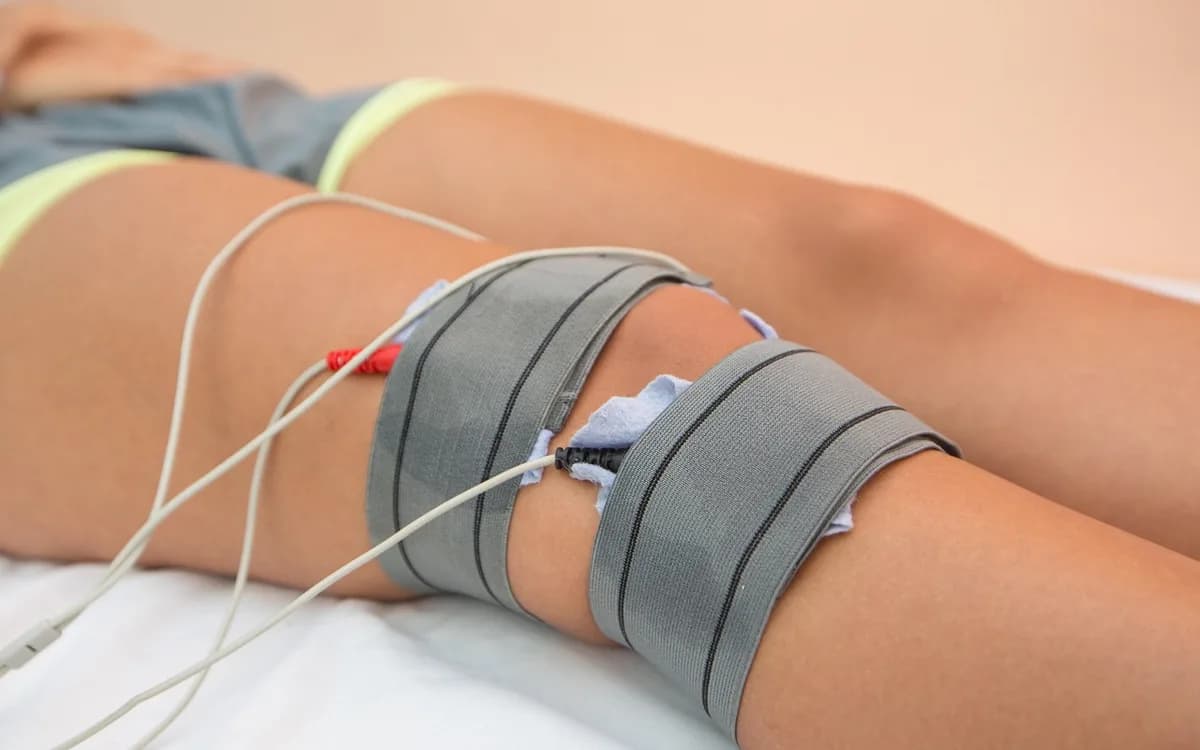
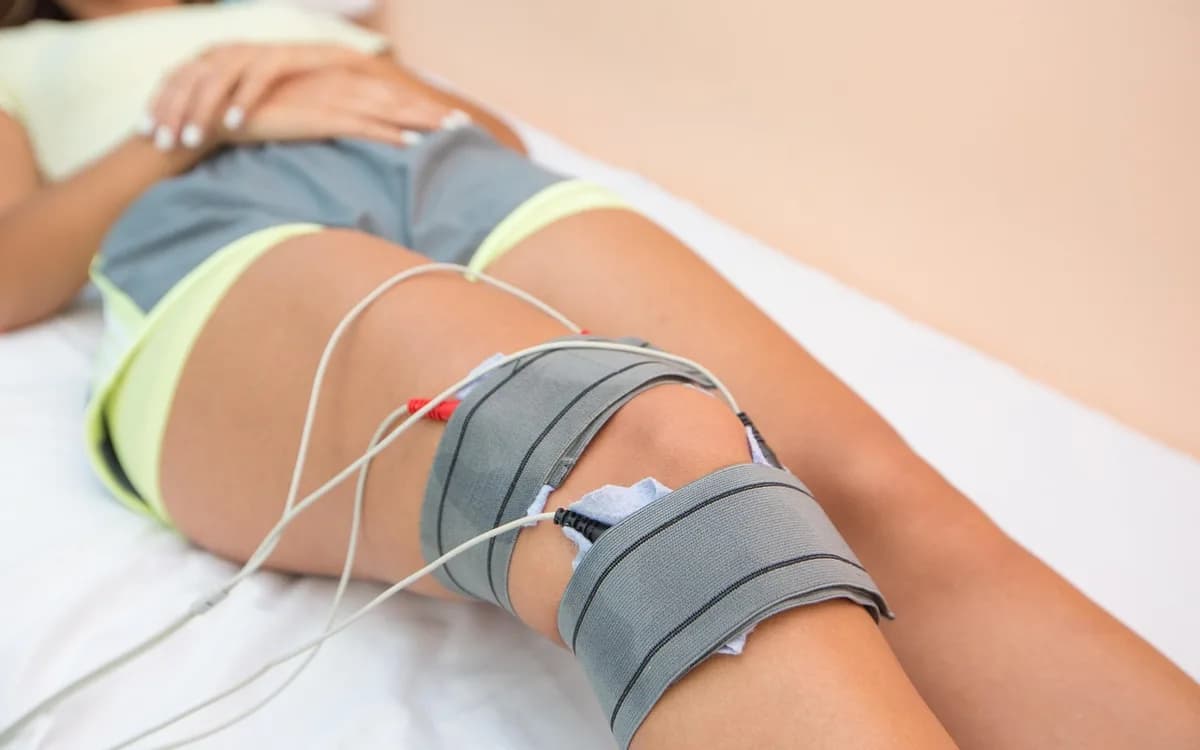
- Pain Management: Utilizing various techniques to reduce pain and inflammation, allowing you to participate more effectively in rehabilitation.
- Strengthening Exercises: Focusing on strengthening the muscles around the knee, particularly the quadriceps, hamstrings, and glutes. Stronger muscles provide better support and stability to the joint, improving patellar tracking and overall knee mechanics. For specific examples, refer to our guide on Knee Strengthening Exercises for Joint Pain.
- Mobility and Flexibility: Addressing any stiffness or tightness in the knee joint or surrounding muscles through stretches and manual therapy to restore optimal range of motion.
- Proprioception and Balance Training: Exercises to improve your body's awareness of your knee's position in space, enhancing stability and coordination, crucial for preventing falls and re-injury.
- Manual Therapy: Hands-on techniques such as joint mobilizations, soft tissue release, and massage to reduce pain, improve joint movement, and decrease muscle tension.
- Load Management and Activity Modification: Guiding you on how to modify activities to reduce stress on the knee while still promoting healing and strength. Understanding the right balance of activity and rest is key, as discussed in our article, Can I Exercise Every Day During Physiotherapy?
- Education: Empowering you with knowledge about your condition, proper body mechanics, and self-management strategies to maintain long-term knee health.
Exercise Progression and Realistic Recovery
Recovery from painful knee clicking is a journey, not a sprint. Your physiotherapy program will progress in stages, starting with pain reduction and gentle mobility, advancing to strengthening, and finally incorporating functional and sport-specific exercises. Realistic recovery expectations are vital. While some may experience significant improvement within weeks, others with more complex issues like advanced cartilage wear or significant meniscus tears may require several months of consistent effort. Adherence to your personalized exercise program and regular follow-ups are key to achieving lasting relief and regaining full function.
Why Home Physiotherapy in Pune is Ideal for Knee Issues
For individuals experiencing knee clicking with pain, especially those with mobility challenges or busy schedules in Pune, home physiotherapy offers unparalleled benefits:
- Comfort and Convenience: Receive expert care in the familiar and comfortable environment of your own home, eliminating travel stress and waiting times.
- Personalized Environment: Treatment is tailored to your specific home setup, allowing for practical advice on navigating stairs, getting in and out of chairs, and performing daily activities safely.
- Enhanced Safety: For elderly patients or those with significant pain, home visits reduce the risk of falls or exacerbating pain during travel. Our therapists can also assess and advise on home modifications for safety, a critical aspect of care, as highlighted in our guide on Back Pain Home Physiotherapy Ambegaon: Safety & Relief.
- Caregiver Involvement: Family members or caregivers can easily participate, learn exercises, and understand how to best support the patient's recovery journey.
- Consistent Care: Regular, uninterrupted sessions in a stable environment often lead to better adherence and faster progress.
Proper Care Physiotherapy provides expert home physiotherapy in Bibwewadi, Kondhwa, and across various localities in Pune, ensuring you get the best possible care right at your doorstep.
Frequently Asked Questions About Knee Clicking
Is knee clicking a sign of arthritis?
Not necessarily. While painful clicking can be a symptom of knee osteoarthritis due to cartilage wear, many people experience painless knee clicking (physiological crepitus) due to gas bubbles in the joint, which is harmless. A thorough clinical assessment is needed to differentiate between benign sounds and those indicating arthritis.
Can I stop my knee from clicking?
If your knee clicking is painless and due to normal joint mechanics, there's often no need to 'stop' it. If it's painful or associated with a specific condition, physiotherapy can help reduce the underlying issues causing the click, thereby alleviating the pain and often the sound itself through improved joint mechanics and muscle balance.
What exercises should I avoid if my knee clicks?
If your knee clicking is painful, it's generally advisable to avoid high-impact activities, deep squats, or exercises that significantly aggravate the sound or pain. However, this varies greatly depending on the cause. A physiotherapist can provide a personalized list of safe and effective knee strengthening exercises and movements to avoid.
How long does it take to recover from knee clicking pain?
The recovery time for painful knee clicking varies widely depending on the underlying cause, the severity of the condition, and your adherence to the treatment plan. Minor issues might resolve in a few weeks, while more complex conditions like meniscus tears or significant cartilage degeneration could require several months of consistent physiotherapy. Early intervention often leads to faster recovery.