Knee Strengthening Exercises for Joint Pain
Reviewed by Dr. Krishna, Lead Consultant Physiotherapist at Proper Care Physiotherapy

On this page
- Understanding Knee Joint Pain and the Role of Strength
- Why Quadriceps and VMO Strength are Crucial for Knee Stability
- Essential Knee Strengthening Exercises for Joint Pain
- Safety Precautions: Exercising with Knee Pain
- When to STOP Exercising Immediately (Red Flags)
- The Proper Care Physiotherapy Approach to Knee Pain in Pune
- When to Consult a Licensed Physiotherapist
- Frequently Asked Questions About Knee Strengthening
Knee joint pain is a pervasive issue, affecting individuals across all age groups in Pune, from active youngsters to seniors. It can transform simple daily activities like walking, climbing stairs, or even standing up into challenging ordeals. While often attributed to aging and conditions like osteoarthritis, weak or imbalanced muscles around the knee are frequently significant contributors to discomfort and instability.
At Proper Care Physiotherapy in Pune, led by Dr. Krishna, we understand that effective, long-term relief for knee joint pain often hinges not on rest or medication alone, but on a structured, progressive exercise program. Strengthening the muscles surrounding your knee can significantly reduce stress on the joint, improve stability, and ultimately alleviate pain, allowing you to return to an active, fulfilling life.
Understanding Knee Joint Pain and the Role of Strength
The knee is the largest and one of the most complex joints in the body, bearing substantial load with every movement. Its stability relies heavily on the strength and balance of the surrounding musculature, particularly the quadriceps, hamstrings, and gluteal muscles. When these muscles are weak or imbalanced, the knee joint can experience excessive strain, leading to pain and accelerated wear and tear.
For conditions like osteoarthritis (OA), which involves cartilage degeneration, strengthening exercises are considered one of the most effective non-pharmacological treatments. Strong muscles act as natural shock absorbers, protecting the joint surfaces and improving overall function. Similarly, for patellofemoral pain syndrome (often called 'runner's knee'), which causes pain around the kneecap, strengthening the quadriceps and improving hip stability are paramount to correct biomechanics. Our comprehensive Knee Pain Physiotherapy in Pune focuses on these foundational principles.
Why Quadriceps and VMO Strength are Crucial for Knee Stability
The quadriceps femoris, a group of four muscles on the front of your thigh, plays a vital role in knee extension and overall stability. Among these, the Vastus Medialis Obliquus (VMO) is particularly important. The VMO is the teardrop-shaped muscle on the inner aspect of your lower thigh, just above the knee. Its primary function is to stabilize the kneecap (patella) and ensure it tracks correctly within its groove during knee movement. Weakness or delayed activation of the VMO is frequently implicated in patellofemoral pain and general knee instability.
Targeted quad strengthening, with a specific emphasis on VMO exercises, helps to:
- Improve Patellar Tracking: A strong VMO helps keep the kneecap aligned, reducing friction and pain.
- Enhance Joint Support: Strong quadriceps muscles provide dynamic support to the knee joint, reducing stress on ligaments and cartilage.
- Increase Shock Absorption: During activities like walking, running, or climbing stairs, strong quads help absorb impact, protecting the knee.
- Restore Functional Mobility: By building strength, daily tasks become easier and less painful.
Essential Knee Strengthening Exercises for Joint Pain
Here are several foundational exercises recommended by Dr. Krishna and the team at Proper Care Physiotherapy in Pune. Remember to perform these exercises slowly and with control. If you experience any sharp, shooting, or increasing pain, stop immediately.
1. Straight Leg Raises (SLR)
Focus: Quadriceps activation, especially VMO, with minimal knee bending.
How to Perform:
- Lie on your back with one leg bent (foot flat on the floor) and the other leg straight.
- Engage your abdominal muscles to keep your lower back flat against the floor.
- Tighten the thigh muscles of your straight leg, pressing the back of your knee down towards the floor.
- Slowly lift the straight leg about 6-12 inches off the floor, keeping the knee locked and the leg straight.
- Hold for 3-5 seconds, then slowly lower the leg back down.
- Repeat 10-15 times for 2-3 sets on each leg.
[Suggested Video: Dr. Krishna demonstrating proper Straight Leg Raise technique]
2. Terminal Knee Extensions (TKE) with Resistance Band
Focus: Isolated VMO strengthening and full knee extension control.
How to Perform:
- Anchor a resistance band to a sturdy object (e.g., a table leg) at ankle height.
- Loop the other end of the band around your knee, just above the kneecap.
- Stand facing the anchor point, with a slight bend in the knee with the band. The band should create tension pulling your knee backward.
- Keeping your heel on the ground, slowly extend your knee fully, tightening your quadriceps and specifically squeezing the VMO muscle.
- Hold the full extension for 2-3 seconds, focusing on the muscle contraction.
- Slowly return to the starting slight bend.
- Repeat 10-15 times for 2-3 sets on each leg.
[Suggested Image: Patient performing TKE with a resistance band, highlighting band placement]
3. Wall Slides / Wall Sits
Focus: Isometric quadriceps strength, patellar stability, and endurance.
How to Perform (Wall Slide):
- Stand with your back flat against a wall, feet shoulder-width apart, about 6-12 inches away from the wall.
- Slowly slide down the wall, bending your knees as if sitting in an imaginary chair. Keep your back pressed against the wall.
- Only go as far as comfortably possible, aiming for a 30-45 degree knee bend initially.
- Hold this position for 5-10 seconds, then slowly slide back up the wall.
- Repeat 8-12 times for 2-3 sets.
How to Perform (Wall Sit - Progression):
- Once comfortable with wall slides, progress to holding the 'sit' position for longer durations (20-60 seconds), aiming for knees bent at a 90-degree angle if pain-free.
- Repeat 3-5 times.
[Suggested Video: Dr. Krishna demonstrating Wall Slides, emphasizing back contact and knee angle]
4. Glute Bridges
Focus: Strengthening gluteal muscles, which are crucial for hip and knee stability.
How to Perform:
- Lie on your back with your knees bent, feet flat on the floor, hip-width apart, and heels a few inches from your buttocks.
- Keep your arms by your sides, palms down.
- Engage your core and glutes, then lift your hips off the floor until your body forms a straight line from your shoulders to your knees.
- Squeeze your glutes at the top.
- Hold for 2-3 seconds, then slowly lower your hips back down.
- Repeat 10-15 times for 2-3 sets.
5. Calf Raises
Focus: Strengthening calf muscles, which support ankle and knee mechanics.
How to Perform:
- Stand tall with your feet hip-width apart, holding onto a chair or wall for balance if needed.
- Slowly rise up onto the balls of your feet, lifting your heels as high as possible.
- Hold the top position for a moment, feeling the contraction in your calves.
- Slowly lower your heels back down to the starting position.
- Repeat 15-20 times for 2-3 sets.
Safety Precautions: Exercising with Knee Pain
While exercise is beneficial, it's crucial to approach it safely, especially when dealing with joint pain. Dr. Krishna emphasizes these precautions:
- Listen to Your Body: Pain is a signal. Differentiate between muscle fatigue/soreness (acceptable) and sharp joint pain (not acceptable).
- Start Slowly and Progress Gradually: Do not try to do too much too soon. Begin with fewer repetitions and sets, and slowly increase as your strength improves.
- Maintain Proper Form: Incorrect form can exacerbate pain or lead to new injuries. If unsure, seek professional guidance.
- Warm-Up and Cool-Down: Begin with 5-10 minutes of light cardio (e.g., walking) and end with gentle stretches for the quadriceps, hamstrings, and calves.
- Use Appropriate Resistance: If using bands or weights, ensure the resistance is challenging but allows for good form throughout the full range of motion.
- Stay Hydrated: Water is essential for joint health and muscle function.
When to STOP Exercising Immediately (Red Flags)
It is vital to recognize when to halt your exercises and seek immediate professional advice. Stop exercising and contact a healthcare professional if you experience:
- Sharp, Shooting Pain: Especially if it's localized to the joint itself or radiates down your leg.
- Sudden Swelling or Redness: These could indicate acute inflammation or injury.
- Numbness or Tingling: Particularly if it extends into your foot or toes, as this could suggest nerve involvement.
- Dizziness or Lightheadedness: Stop and rest. If symptoms persist, seek medical attention.
- A 'Pop' or 'Click' Followed by Pain: This might indicate a ligament or meniscal injury.
- Inability to Bear Weight: If your knee suddenly gives way or you cannot put weight on it.
The Proper Care Physiotherapy Approach to Knee Pain in Pune
At Proper Care Physiotherapy, we believe in a personalized, evidence-based approach to knee pain management. When you consult Dr. Krishna, your journey begins with a thorough assessment to accurately diagnose the cause of your joint pain. This includes evaluating your biomechanics, muscle strength, flexibility, gait, and functional limitations. We consider your lifestyle, activity levels, and specific goals.
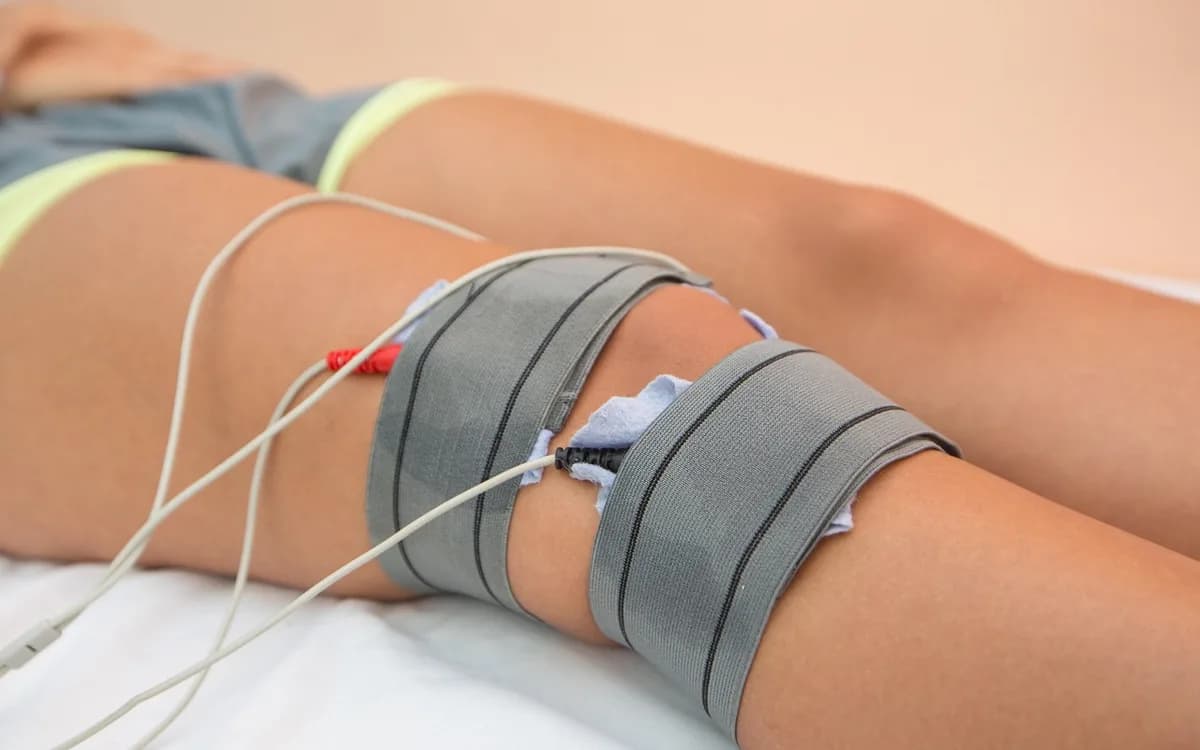
A common mistake we observe in patients attempting self-managed knee exercises in Pune is overdoing it initially or performing exercises with incorrect form, which can worsen pain or lead to compensatory movements. Many also neglect the crucial role of hip and core stability in supporting knee health. Our physiotherapists provide hands-on guidance, ensuring each exercise is performed correctly, and progressively adjusted to your unique recovery timeline. We also often integrate manual therapy techniques, dry needling, and electrotherapy to complement your exercise program, especially for conditions like knee pain while climbing stairs.
For patients facing mobility challenges or seeking the comfort of their own environment, our Home Physiotherapy in Pune service is invaluable. We bring expert care directly to your doorstep in areas like Bibwewadi, Kondhwa, and Datta Nagar, ensuring you receive consistent, high-quality treatment without the stress of travel. This is particularly beneficial for elderly patients or those in acute pain, allowing for active family involvement and caregiver training in your familiar surroundings. (Learn more about home visit physiotherapy)
When to Consult a Licensed Physiotherapist
While these exercises can be highly beneficial, self-management isn't always sufficient. It's time to consult a licensed physiotherapist if:
- Your knee pain persists or worsens despite trying these exercises for a few weeks.
- You experience any of the 'red flag' symptoms mentioned above.
- Your pain significantly limits your daily activities or sleep.
- You are unsure about the correct form for exercises or how to progress safely.
- You have a pre-existing medical condition or a history of knee injury/surgery.
- You're seeking a personalized exercise plan tailored to your specific diagnosis and goals.
A physiotherapist can provide an accurate diagnosis, create a customized treatment plan, and guide you through safe and effective rehabilitation, helping you avoid common pitfalls and achieve lasting relief. Understand your recovery journey better.
Frequently Asked Questions About Knee Strengthening
How often should I do knee strengthening exercises for joint pain?
For optimal results, aim to perform knee strengthening exercises 3-5 times per week, with at least one rest day in between sessions to allow muscles to recover and rebuild. Consistency is more important than intensity, especially when starting out. Dr. Krishna will tailor this frequency to your specific condition.
Can strengthening exercises make my knee pain worse?
If performed incorrectly, with excessive load, or if you ignore pain signals, strengthening exercises can potentially exacerbate knee pain. It's crucial to start gently, focus on proper form, and stop immediately if you experience sharp or increasing pain. Professional guidance from a physiotherapist minimizes this risk.
Are these exercises suitable for all types of knee joint pain?
These foundational exercises are generally safe and beneficial for many common causes of knee joint pain, including early-stage osteoarthritis and patellofemoral pain. However, specific conditions like acute ligament tears, meniscal injuries, or severe inflammatory arthritis may require modified or different approaches. Always consult a professional for a precise diagnosis.
How long does it take to see results from knee strengthening exercises?
The timeline for results varies based on the individual, the severity of the condition, and consistency of effort. Many patients report noticeable improvements in pain and stability within 4-6 weeks of consistent, proper exercise. Significant strength gains and functional improvements often continue over several months. Patience and adherence to your personalized plan are key.
If you're struggling with knee joint pain in Pune and are ready to take a proactive step towards lasting relief, don't hesitate. Contact Proper Care Physiotherapy today to schedule a comprehensive assessment with Dr. Krishna or to inquire about our convenient home physiotherapy services. Let us help you strengthen your knees and reclaim your mobility.
Call us or WhatsApp us to book your personalized consultation.