Why Does Knee Pain Increase While Climbing Stairs?
Reviewed by Dr. Krishna, Lead Consultant Physiotherapist at Proper Care Physiotherapy
On this page
- The Unique Biomechanics: Why Stairs Stress Your Knees More
- Common Conditions That Trigger Stair-Related Knee Pain
- When to Seek Professional Help: Red Flags and Clinical Assessment in Pune
- The Proper Care Physiotherapy Approach to Stair Pain Relief
- Home Physiotherapy for Knee Pain While Climbing Stairs in Pune
- Realistic Recovery Expectations and Long-Term Prevention
- Frequently Asked Questions (FAQs)
- Seek Expert Care for Your Knee Pain in Pune
That familiar twinge, ache, or sharp pain in your knee as you ascend or descend a staircase can be incredibly frustrating. For many residents of Pune, navigating stairs is an unavoidable part of daily life, whether it's at home, in apartment complexes, or during commutes. When this simple act becomes a source of discomfort, it signals that your knee joint requires attention. At Proper Care Physiotherapy in Pune, led by Dr. Krishna, we frequently encounter patients presenting with this specific complaint. Understanding why your knee pain intensifies during stair climbing is the first step towards effective relief and regaining your mobility.
The Unique Biomechanics: Why Stairs Stress Your Knees More
While walking on flat ground might feel perfectly fine, stair climbing places significantly higher demands on your knee joint. This activity is a complex interplay of muscle strength, joint stability, and precise coordination. The primary reason for increased pain lies in the amplified forces exerted on the patellofemoral joint (the joint between your kneecap and thigh bone) and the deeper degree of knee flexion required with each step.
- Increased Joint Compression: When you climb stairs, the pressure across your kneecap and the joint surfaces can increase to three to five times your body weight. This immense compressive force is significantly higher than during level walking. If there's an underlying issue, this increased load quickly exposes it.
- Deeper Knee Flexion: Ascending a stair requires your knee to bend to a much greater angle than during normal walking. This deeper bend increases the contact area and pressure between the patella (kneecap) and the trochlear groove of the femur (thigh bone). Any irritation or misalignment in this intricate pathway becomes highly symptomatic.
- Muscle Engagement and Control: Climbing stairs demands powerful concentric contraction from your quadriceps muscles to lift your body upward against gravity. Descending stairs, however, requires even more controlled eccentric contraction from your quadriceps to slowly lower your body, acting like brakes. Weakness or poor control in these muscles can lead to increased stress on the knee joint.
Common Conditions That Trigger Stair-Related Knee Pain
Several conditions can manifest as knee pain while climbing stairs. A precise diagnosis is crucial for tailoring an effective treatment plan.
Patellofemoral Pain Syndrome (PFPS): The 'Runner's Knee' and Stair Climber's Foe
Often referred to as 'runner's knee,' Patellofemoral Pain Syndrome (PFPS) is a leading cause of pain felt around or behind the kneecap, especially during activities like stair climbing, squatting, or prolonged sitting. It's characterized by the kneecap not tracking smoothly within its groove on the thigh bone. This 'maltracking' can be due to a combination of factors:
- Quadriceps Weakness or Imbalance: The quadriceps muscles are vital for stabilizing the kneecap. If the vastus medialis obliquus (VMO), the inner part of the quadriceps, is weaker than the outer muscles, it can pull the kneecap slightly off course, leading to friction and pain.
- Tightness in Surrounding Structures: Tight hamstrings, calf muscles, or the iliotibial band (ITB) can alter the biomechanics of the knee and hip, forcing the kneecap into an abnormal position.
- Poor Hip and Core Stability: Weakness in the gluteal muscles (especially gluteus medius) can cause the knee to collapse inward during weight-bearing activities like stair climbing, increasing stress on the patellofemoral joint.
- Overuse: A sudden increase in activity, like starting a new exercise regimen or having to use stairs more frequently, can overload the joint before it has adapted, leading to inflammation and pain.
Osteoarthritis (OA): Cartilage Wear and Joint Degeneration
Knee osteoarthritis, a degenerative joint disease, is another common culprit, particularly in individuals over 45. It involves the gradual breakdown of articular cartilage, the smooth, protective tissue that cushions the ends of your bones. When this cartilage wears down, the bones can rub against each other, causing pain, stiffness, and inflammation.
Stair climbing often becomes one of the first activities to reveal early signs of knee OA because of the high forces involved. The reduced shock absorption due to cartilage loss makes the increased joint load during stair climbing particularly painful. Symptoms often include morning stiffness that improves with movement, a 'creaky' or 'grindy' sensation (crepitus), and pain that worsens with activity.
Quadriceps Weakness and Imbalance
Beyond PFPS, isolated quadriceps weakness can directly contribute to stair pain. The quadriceps are essential for extending the knee and absorbing impact. When these muscles are weak, the knee joint itself bears more pressure during stair climbing, leading to aching or a feeling of heaviness. This is particularly true for the eccentric phase (going down stairs), where weak quads struggle to control the descent, putting excessive strain on the joint.
Other Contributing Factors: Meniscal Issues and Tendinopathy
While less common as primary causes of *isolated* stair pain compared to PFPS or OA, other conditions can also play a role:
- Meniscal Injuries: The menisci are C-shaped cartilages that act as shock absorbers and stabilizers in the knee. Tears can cause sharp pain, especially with twisting or deep bending, which occurs during stair climbing.
- Patellar Tendinopathy (Jumper's Knee): Inflammation or degeneration of the patellar tendon, located just below the kneecap, can cause sharp pain, especially during activities involving jumping, squatting, or repetitive knee bending like stair climbing.
- Bursitis: Inflammation of the fluid-filled sacs (bursae) around the knee joint can also cause pain with movement.
When to Seek Professional Help: Red Flags and Clinical Assessment in Pune
If you're experiencing persistent knee pain while climbing stairs, especially if it's accompanied by swelling, locking, clicking, giving way, or severe pain at rest or at night, it's crucial to seek professional help. Early diagnosis and intervention can prevent the condition from worsening and accelerate your recovery.
At Proper Care Physiotherapy in Pune, Dr. Krishna and our team conduct a comprehensive clinical assessment to pinpoint the exact cause of your stair-related knee pain. This typically involves:
- Detailed History: Understanding your symptoms, when they started, what makes them worse or better, your activity levels, and any previous injuries.
- Physical Examination: Assessing your knee's range of motion, muscle strength (especially quadriceps, hamstrings, and glutes), flexibility, joint stability, and palpating for tenderness.
- Gait and Movement Analysis: Observing your walking pattern and, crucially, how you ascend and descend stairs. This helps identify faulty movement patterns or biomechanical inefficiencies that contribute to your pain.
- Special Tests: Performing specific orthopedic tests to differentiate between various conditions like PFPS, meniscal tears, or ligamentous issues.
Based on this thorough evaluation, we develop a precise diagnosis and a personalized treatment plan.

Suggested image: Dr. Krishna demonstrating a knee assessment technique in a clinic or home setting.
The Proper Care Physiotherapy Approach to Stair Pain Relief
Our treatment philosophy at Proper Care Physiotherapy focuses on a multi-faceted approach, addressing not just the symptoms but the underlying causes of your knee pain.
Phase 1: Pain Management & Inflammation Control
The initial focus is on reducing pain and inflammation to allow for effective rehabilitation. This may involve:
- Activity Modification: Advising on temporary adjustments to stair use or other aggravating activities.
- Manual Therapy: Gentle joint mobilizations to improve kneecap tracking and reduce stiffness, along with soft tissue release techniques for tight muscles.
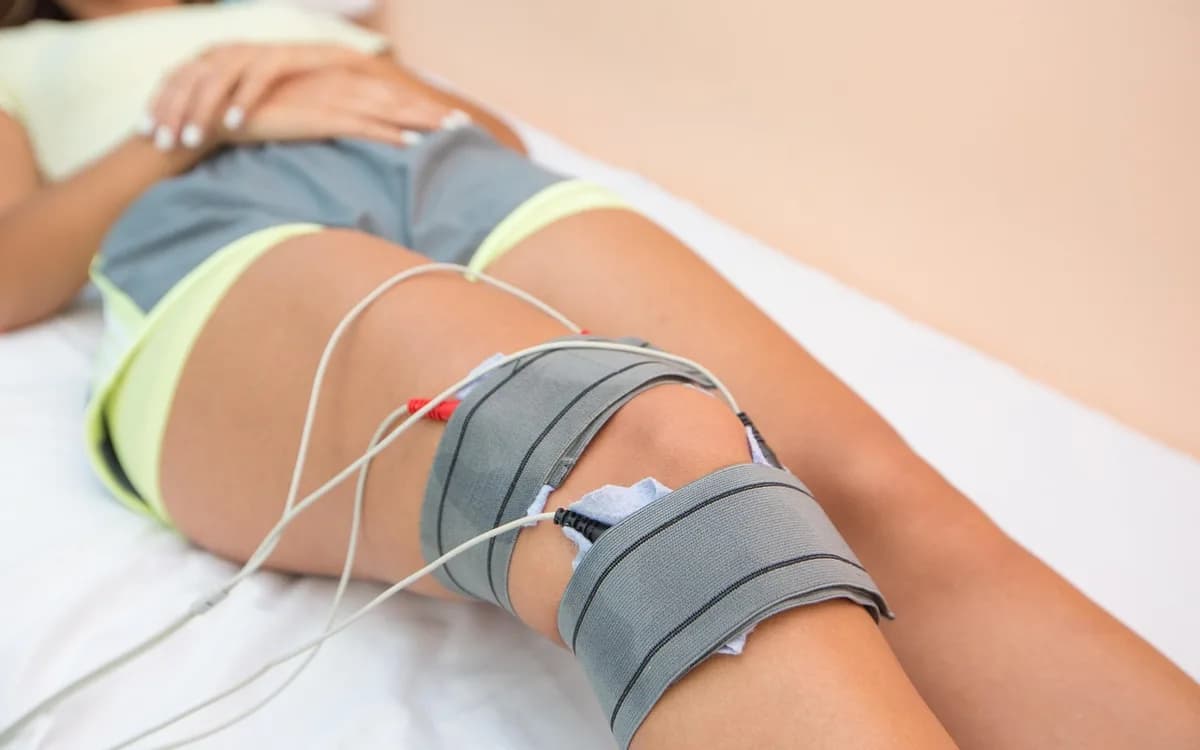
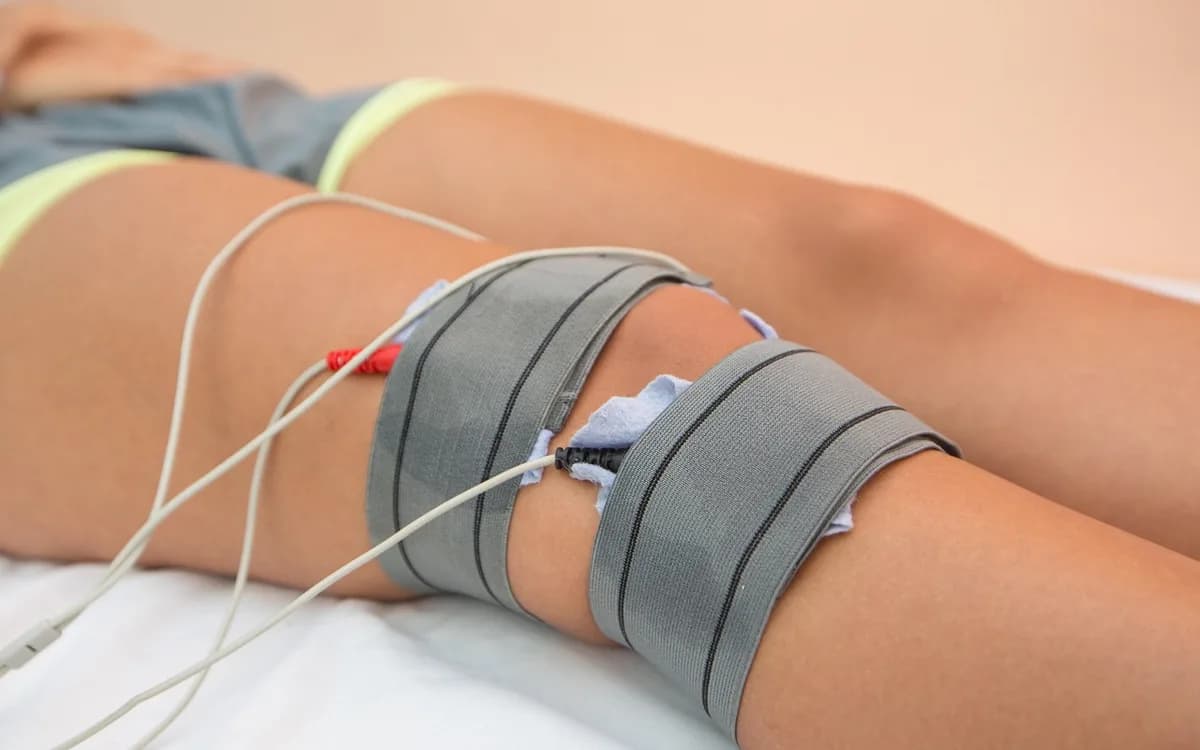
- Therapeutic Modalities: Using ice, heat, or electrotherapy (like ultrasound or TENS) to manage pain and swelling.
Phase 2: Restoring Strength, Stability, and Flexibility
Once pain is managed, the core of rehabilitation involves targeted exercises to correct muscle imbalances and improve joint mechanics.
- Targeted Quadriceps Strengthening: Exercises specifically designed to strengthen the VMO and overall quadriceps, crucial for kneecap stability. Examples include straight leg raises, wall slides, and mini-squats.
- Gluteal and Core Strengthening: Strengthening the hip abductors (like gluteus medius) and core muscles helps control knee alignment and reduce inward collapse during movement. Exercises like clam shells, side-lying leg lifts, and glute bridges are often incorporated.
- Flexibility and Mobility: Stretching tight muscles such as hamstrings, hip flexors, and calf muscles improves overall lower limb mechanics and reduces abnormal stress on the knee.
- Proprioception and Balance Training: Exercises to improve your body's awareness of its position in space, enhancing joint stability and control.
Phase 3: Functional Retraining & Load Management
The final phase focuses on safely returning to full function, including pain-free stair climbing.
- Gradual Return to Stair Climbing: We guide you through progressive stair exercises, starting with small steps, focusing on proper technique, and gradually increasing the number and height of steps. This includes specific drills like step-downs to build eccentric control.
- Load Management Strategies: Learning how to modify activity levels to avoid re-injury and understanding your knee's tolerance for different loads.
- Footwear and Ergonomics: Advice on appropriate footwear and modifications to your home or workplace environment (e.g., handrails) to support knee health.
Proper Care's Insight: The Overlooked Role of Footwear and Gait Pattern in Pune Patients
In our experience across Pune, we've observed that specific local factors often exacerbate stair-related knee pain. The prevalence of uneven footpaths, older building structures with varying stair dimensions, and a common preference for certain types of footwear (e.g., flat sandals or less supportive shoes) can significantly impact knee mechanics. During our home physiotherapy sessions in Pune, we take the unique opportunity to assess a patient's natural gait within their own environment, including their home stairs and typical footwear. We've often found that subtle imbalances in foot strike, a tendency to 'plop' down stairs due to weak quadriceps eccentric control, or inappropriate shoe choices contribute directly to increased patellofemoral pressure. By identifying these real-world patterns, we can offer highly personalized advice – from recommending specific shoe inserts or types of footwear suitable for daily life in Pune, to retraining specific foot and ankle mechanics that directly offload the knee during stair negotiation. This hands-on, contextual assessment is a cornerstone of our clinical excellence.
Home Physiotherapy for Knee Pain While Climbing Stairs in Pune
Opting for home physiotherapy in Pune offers distinct advantages, especially for conditions like stair-related knee pain:
- Personalized Assessment in Your Environment: Our physiotherapists can directly observe your home environment, including the actual stairs you use daily. This allows for a more accurate assessment of your movement patterns and identification of potential hazards or necessary modifications.
- Convenience and Comfort: Receive expert care in the comfort and privacy of your Bibwewadi, Kondhwa, or Kothrud home, eliminating the need for travel, which can be challenging with knee pain.
- Caregiver Involvement: Family members or caregivers can actively participate in sessions, learning how to best support your recovery and ensure home safety, particularly for elderly patients.
- Consistent Adherence: Being in a familiar setting often leads to better adherence to exercise programs and faster recovery.
Proper Care Physiotherapy offers specialized expert knee pain physiotherapy in Pune, bringing clinical excellence directly to your doorstep.
Realistic Recovery Expectations and Long-Term Prevention
The journey to pain-free stair climbing is unique for everyone. Recovery timelines depend on the severity of your condition, your adherence to the treatment plan, and your body's healing capacity. While some patients experience significant relief within a few weeks, chronic conditions like osteoarthritis may require ongoing management. Our team will provide a clear understanding of how many physiotherapy sessions you'll need and what to expect at each stage.
Long-term prevention involves maintaining strength and flexibility, listening to your body, and gradually progressing activities. Regular exercise, proper footwear, and ergonomic adjustments can help keep your knees healthy and prevent recurrence of pain.
Frequently Asked Questions (FAQs)
Is climbing stairs bad for my knees if they hurt?
If your knees hurt while climbing stairs, it's a signal that something is amiss, but stairs themselves are not inherently 'bad.' The increased load during stair climbing often exposes underlying issues like muscle weakness or joint irritation. Continuing to climb stairs with pain can exacerbate the problem, so it's best to get an assessment and modify the activity until the underlying cause is addressed through physiotherapy.
What is patellofemoral pain and how does it relate to stairs?
Patellofemoral pain is discomfort originating from the kneecap and the cartilage beneath it. It's strongly related to stairs because stair climbing significantly increases the pressure and friction between the kneecap and the thigh bone. This high-stress activity makes any misalignment, weakness, or irritation in this joint much more noticeable, leading to pain.
Can exercise make my knee pain worse when climbing stairs?
Performing the wrong exercises or doing them incorrectly can indeed worsen knee pain. However, targeted, progressive exercises prescribed by a physiotherapist are the cornerstone of recovery. These exercises strengthen supporting muscles and improve joint mechanics. It's crucial to follow a personalized program and listen to your body, stopping if pain is sharp or increasing significantly.
How long will it take to recover from knee pain while climbing stairs?
Recovery time for knee pain while climbing stairs varies widely depending on the underlying cause, its severity, your age, and your adherence to the physiotherapy program. Mild cases of muscle imbalance might see improvement in a few weeks, while more complex conditions like osteoarthritis or significant cartilage wear may require several months of consistent treatment and maintenance. A personalized assessment will provide a more accurate estimate.
Seek Expert Care for Your Knee Pain in Pune
Don't let knee pain while climbing stairs limit your independence or quality of life in Pune. Dr. Krishna and the dedicated team at Proper Care Physiotherapy are here to provide expert diagnosis and personalized treatment plans, including the convenience of home physiotherapy. Reclaim your mobility and step towards a pain-free life.
Contact Proper Care Physiotherapy in Pune today for a comprehensive assessment. Call us or message us on WhatsApp to book your appointment.