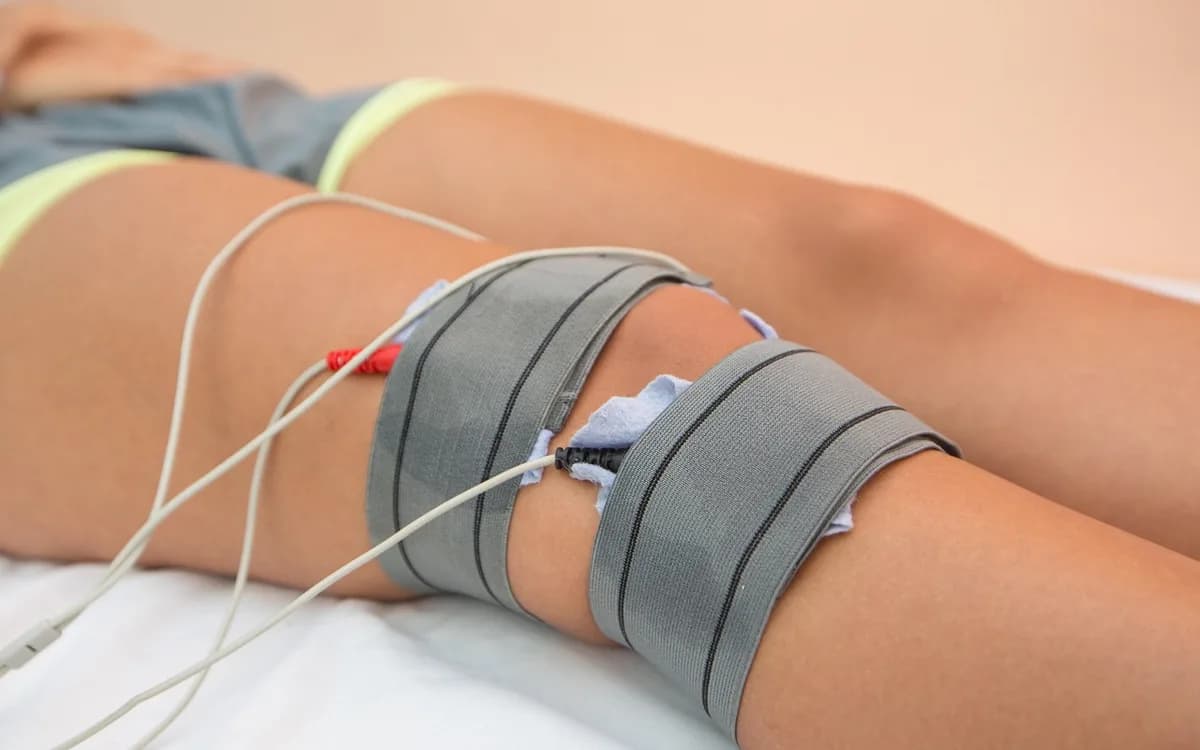
Arthritis Recovery Phases with Home Physiotherapy in Pune
Reviewed by Dr. Krishna, Lead Consultant Physiotherapist at Proper Care Physiotherapy

Arthritis, a term often used to describe joint pain and stiffness, affects millions across India, including many in our vibrant city of Pune. It's a condition that can significantly impact daily life, making simple tasks feel daunting and reducing your overall quality of life. While there's no magic wand to make arthritis disappear, understanding your recovery journey and how physiotherapy can support you is crucial.
At our home-visit physiotherapy clinic in Pune, we frequently hear questions about 'how long will it take to recover?' It's important to understand that arthritis management is a journey, not a race with a fixed finish line. Your path to better joint health is unique, influenced by various factors. This article aims to shed light on what you can expect during your recovery, emphasising the vital role of consistent, personalised physiotherapy right in the comfort of your home.
Understanding Arthritis: More Than Just 'Joint Pain'
Before we delve into recovery, let's briefly understand what arthritis entails. It's an umbrella term covering over 100 different conditions that cause pain, swelling, and stiffness in the joints. The two most common types we encounter are:
- Osteoarthritis (OA): Often called 'wear-and-tear' arthritis, OA typically develops with age or after joint injury. It occurs when the protective cartilage that cushions the ends of your bones wears down over time, leading to bone rubbing on bone, causing pain, stiffness, and reduced movement.
- Rheumatoid Arthritis (RA): This is an autoimmune disease where your body's immune system mistakenly attacks its own tissues, primarily the lining of the joints. RA can lead to chronic inflammation, pain, swelling, and eventually joint damage and deformity. It can also affect other organs in the body.
Regardless of the type, arthritis can make everyday movements challenging. However, with the right approach, including dedicated physiotherapy, you can significantly manage symptoms and improve your quality of life.
Your Recovery Journey: Key Phases with Physiotherapy
When you embark on a physiotherapy programme for arthritis, it's helpful to think of it in phases rather than strict timelines. Each phase builds upon the last, focusing on different aspects of your recovery. Remember, progress is individual, and these phases may overlap or vary in duration depending on your specific condition and response to treatment.
Phase 1: Acute Pain and Inflammation Management
The initial focus is often on reducing your immediate pain and inflammation. This phase might involve:
- Gentle Modalities: Your physiotherapist might use techniques like ice or heat therapy to soothe painful joints.
- Pain Education: Understanding your pain, what triggers it, and how to manage it safely is a key part of this phase.
- Rest and Protection: Learning how to protect your joints during daily activities and incorporating periods of rest when needed.
- Gentle Movements: Very gentle, controlled movements to maintain joint lubrication without aggravating symptoms.
During this initial phase, many patients begin to notice early improvements in pain and stiffness within 2-4 weeks of consistent physiotherapy treatment.
Phase 2: Restoring Mobility and Flexibility
Once acute pain is better managed, the next step is to carefully work on improving your joint's range of motion and flexibility. Arthritis often leads to stiffness, and restoring movement is vital.
- Range of Motion Exercises: Specific exercises designed to move your joints through their full, comfortable range.
- Gentle Stretches: Targeted stretches to improve the flexibility of muscles and tissues surrounding the affected joints.
- Manual Therapy: Your physiotherapist may use hands-on techniques to gently mobilise stiff joints.
Better strength and mobility can often be observed within 6-8 weeks.
Phase 3: Strengthening and Endurance
Strong muscles provide better support for your joints, reducing stress and improving stability. This phase focuses on building that strength and improving your endurance for daily activities.
- Targeted Strengthening Exercises: Using resistance bands, light weights, or bodyweight exercises to strengthen muscles around the affected joints.
- Core Stability: Strengthening your core muscles can improve overall body mechanics and reduce strain on weight-bearing joints.
- Endurance Training: Low-impact aerobic exercises like walking or cycling (as appropriate) to improve stamina and cardiovascular health.
Phase 4: Functional Training and Lifestyle Integration
This phase is about translating your improved strength and mobility into practical, everyday movements. It’s about making sure you can perform your daily tasks with greater ease and less pain.
- Activity Modification: Learning new ways to perform tasks to protect your joints.
- Ergonomic Advice: Recommendations for your workspace or home environment to reduce strain.
- Balance and Coordination Exercises: Important for preventing falls, especially if arthritis affects your lower limbs.
Clear pain relief is often reported by 8-12 weeks with consistent physical therapy and exercise programs.
Phase 5: Long-Term Maintenance and Prevention
Arthritis is often a chronic condition, meaning ongoing management is key. This phase focuses on empowering you with the tools to maintain your progress and prevent flare-ups.
- Home Exercise Programme: A tailored set of exercises you can continue independently.
- Self-Management Strategies: Learning to recognise early signs of a flare-up and how to manage it.
- Lifestyle Advice: Guidance on diet, weight management, and stress reduction to support joint health.
The most substantial and lasting benefits often continue developing over 6 months to a year of regular treatment and exercise.
The Role of Home Physiotherapy in Pune
For individuals with arthritis in Pune, home physiotherapy offers distinct advantages that can significantly enhance your recovery journey:
- Convenience and Comfort: No need to travel to a clinic, especially on days when pain or stiffness makes movement difficult. Your sessions happen in your familiar environment.
- Personalised Attention: Your physiotherapist can dedicate their full attention to you, tailoring every exercise and technique to your specific needs and progress.
- Functional Training in Context: Exercises can be directly integrated into your home environment, helping you practice movements relevant to your daily routine, like climbing stairs at home or reaching for items in your kitchen.
- Family Involvement: Family members can easily participate in understanding your condition and learning how to support your exercise regimen, fostering a supportive recovery environment.
- Reduced Risk: Minimises exposure to external environments, which can be particularly beneficial for those with autoimmune conditions like RA.
Factors Influencing Your Recovery
While the phases provide a general roadmap, several factors will influence your individual recovery timeline:
- Type and Severity of Arthritis: Different types of arthritis and their progression will naturally affect how quickly you respond to treatment.
- Age and General Health: Younger individuals or those with fewer co-existing health conditions may see progress more rapidly.
- Adherence to Programme: Your commitment to performing exercises and following advice between sessions is crucial.
- Lifestyle Factors: Diet, weight management, sleep quality, and stress levels can all impact inflammation and healing.
- Early Intervention: Starting physiotherapy early can often lead to better outcomes and may prevent further joint damage.
When to Seek Urgent Medical Review
While physiotherapy is excellent for managing chronic arthritis symptoms, certain 'red flag' symptoms require immediate medical attention from a doctor, not a physiotherapist. Do not delay in seeking urgent medical review if you experience any of the following:
- Sudden, Severe Joint Pain and Swelling: Especially if it affects just one joint and started abruptly.
- Fever, Chills, or Feeling Unwell with Joint Pain: This could indicate an infection in the joint (septic arthritis), which is a medical emergency.
- Joint Redness and Warmth: If the skin around your joint becomes noticeably red and hot to the touch, it suggests significant inflammation or infection.
- Inability to Move the Joint or Bear Weight: If you suddenly cannot move a joint, bear weight on it, or perform normal activities, this is a serious concern.
- New or Worsening Deformity: Visible changes in joint alignment or rapid development of deformity.
- Severe Stomach Pain or Shortness of Breath: Especially if you are on arthritis medications, as these could indicate serious side effects or complications.
- Joint Pain with a Rash, Eye Problems (Conjunctivitis), or Genital Sores/Discharge: These can indicate specific types of inflammatory arthritis requiring urgent medical assessment.
If you experience any of these symptoms, please consult a medical doctor immediately. Physiotherapy can commence once any acute medical issues are addressed.
Living Well with Arthritis: A Long-Term Perspective
Managing arthritis is about adopting a long-term approach to your health. Consistent physiotherapy, even after your initial treatment phase, plays a vital role. It’s about building resilience, maintaining function, and empowering you to live an active and fulfilling life.
- Stay Active: Regular, appropriate exercise is one of the best ways to manage arthritis. Your physiotherapist will guide you on safe activities.
- Healthy Lifestyle: A balanced diet, maintaining a healthy weight, adequate sleep, and stress management are all crucial for reducing inflammation and supporting joint health.
- Listen to Your Body: Learn to differentiate between normal muscle soreness and pain that signals a need to rest or modify an activity.
- Regular Check-ups: Continue to see your doctor and physiotherapist for ongoing assessment and adjustments to your management plan.
Your journey with arthritis doesn't have to define you. With dedicated home physiotherapy in Pune, a personalised approach, and your active participation, you can navigate the challenges, improve your mobility, reduce pain, and enhance your overall well-being. We are here to support you every step of the way, right at your doorstep.