Arthritis Symptoms and Home Physiotherapy in Pune
Reviewed by Dr. Krishna, Lead Consultant Physiotherapist at Proper Care Physiotherapy

On this page
- What Exactly is Arthritis?
- Decoding Common Arthritis Symptoms
- Understanding Different Types of Arthritis and Their Symptoms
- How Home Physiotherapy Can Help Manage Arthritis Symptoms
- When to Seek Urgent Medical Review for Joint Symptoms
- The Convenience of Home Physiotherapy in Pune for Arthritis Care
- Living Well with Arthritis: Tips for Daily Life
Are you or a loved one in Pune experiencing nagging joint pain, stiffness, or swelling that makes daily activities challenging? These could be symptoms of arthritis, a common condition affecting millions across India. While often associated with ageing, arthritis can impact individuals of all ages, significantly affecting their quality of life.
Understanding your symptoms is the first step towards effective management. In this guide, we'll delve into the various symptoms of arthritis and explain how personalised home physiotherapy can be a cornerstone in managing your condition, right here in the comfort of your Pune residence.
What Exactly is Arthritis?
Arthritis isn't a single disease but an umbrella term encompassing over 100 different conditions that affect joints and surrounding tissues. At its core, arthritis refers to the inflammation of one or more joints, leading to pain, stiffness, and sometimes swelling. It can affect any joint in your body, from your fingers and wrists to your knees, hips, and spine.
While some types of arthritis are caused by 'wear and tear' over time, others are autoimmune diseases where the body's immune system mistakenly attacks its own tissues. Regardless of the type, the impact on daily life can be substantial, limiting mobility and causing discomfort.
Decoding Common Arthritis Symptoms
Recognising the signs of arthritis early can significantly aid in managing the condition. Here are the most common symptoms you might experience:
Persistent Joint Pain
This is perhaps the most universal symptom. Arthritis pain can range from a dull ache to a sharp, throbbing sensation. It might be constant or intermittent, worsening with activity or after periods of rest.
Stiffness
Many individuals with arthritis experience joint stiffness, particularly in the mornings or after prolonged periods of inactivity, like sitting for a long time. This stiffness can make it hard to get moving and might gradually ease as you start moving. Morning stiffness lasting more than 30 minutes is often a key indicator, especially for inflammatory types of arthritis.
Swelling
Inflammation can cause the affected joint to become visibly swollen, tender, and warm to the touch. This swelling might come and go, or it could be persistent, making the joint appear puffy.
Reduced Range of Motion
As arthritis progresses, you might find it difficult to move the affected joint through its full normal range. This can impact simple tasks like bending your knee, lifting your arm, or gripping objects.
Redness and Warmth
The skin around the affected joint may appear red and feel warm. This is a sign of inflammation within the joint.
Fatigue
Especially common in inflammatory forms of arthritis like Rheumatoid Arthritis, persistent fatigue or a general feeling of being unwell can be a significant symptom, even without strenuous activity.
Weakness or Instability
Muscles around an arthritic joint may weaken due to pain or reduced use, leading to feelings of weakness or instability in the joint. In advanced stages, joint deformities can also occur.
Understanding Different Types of Arthritis and Their Symptoms
While symptoms can overlap, different types of arthritis have distinct characteristics:
Osteoarthritis (OA)
This is the most common type, often called 'wear-and-tear' arthritis. It occurs when the protective cartilage at the ends of your bones wears down over time. OA commonly affects the knees, hips, hands, spine, and big toe. Pain typically worsens with activity and improves with rest, and morning stiffness usually lasts less than 30 minutes.
Rheumatoid Arthritis (RA)
An autoimmune disease, RA causes your immune system to attack the lining of your joints. It often affects multiple joints symmetrically (e.g., both hands or both knees) and can lead to joint deformities over time. Symptoms include significant morning stiffness lasting over 30 minutes, fatigue, and sometimes fever.
Gout
Gout is characterised by sudden, severe attacks of pain, redness, tenderness, and swelling, often in the big toe. It's caused by a build-up of uric acid crystals in the joint.
Psoriatic Arthritis (PsA)
This type affects some people who have psoriasis, a skin condition. PsA can cause joint pain, stiffness, and swelling, often affecting the fingers and toes (leading to 'sausage digits'), as well as the spine.
How Home Physiotherapy Can Help Manage Arthritis Symptoms
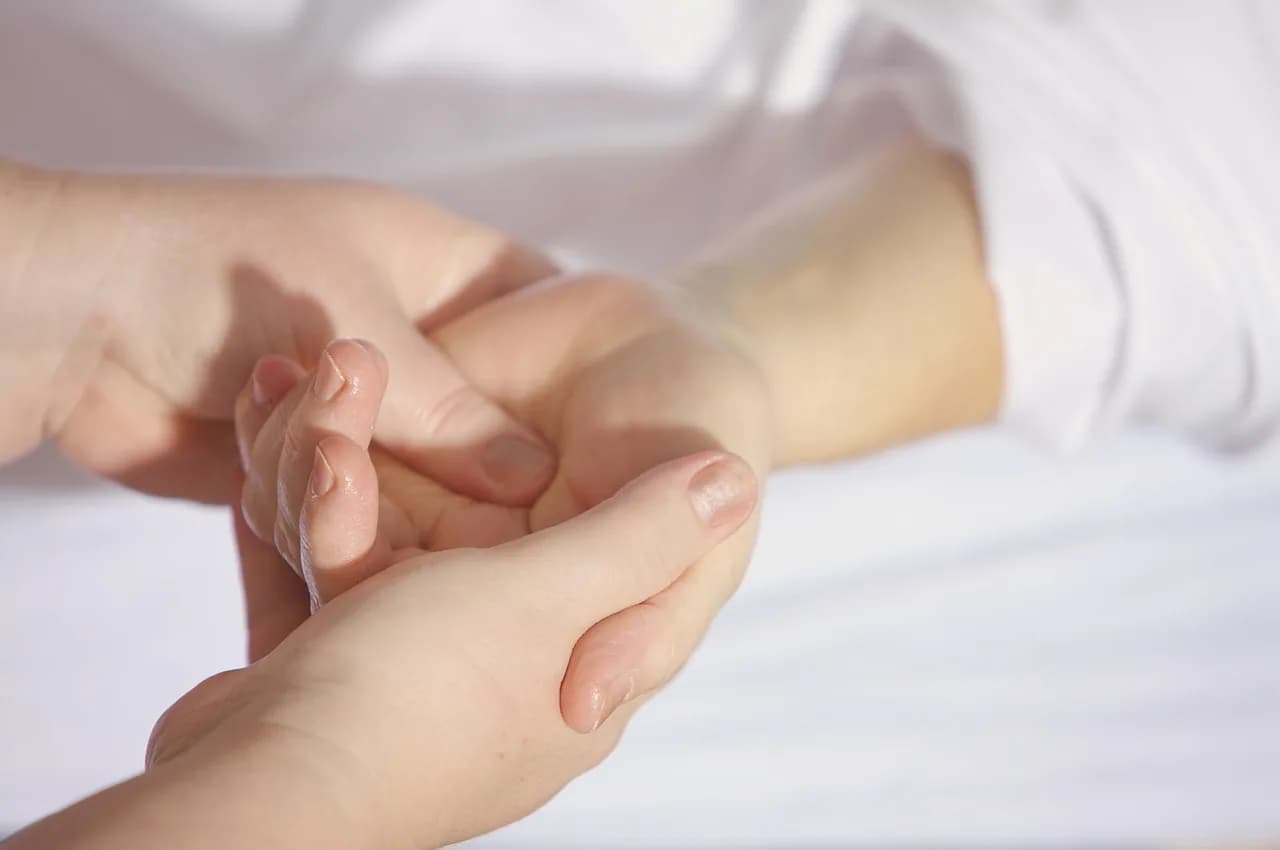
Physiotherapy is widely recognised as a crucial component in managing arthritis, regardless of its type. Our home-visit physiotherapists in Pune are experts in designing personalised treatment plans to address your specific symptoms and improve your quality of life.
Pain Management
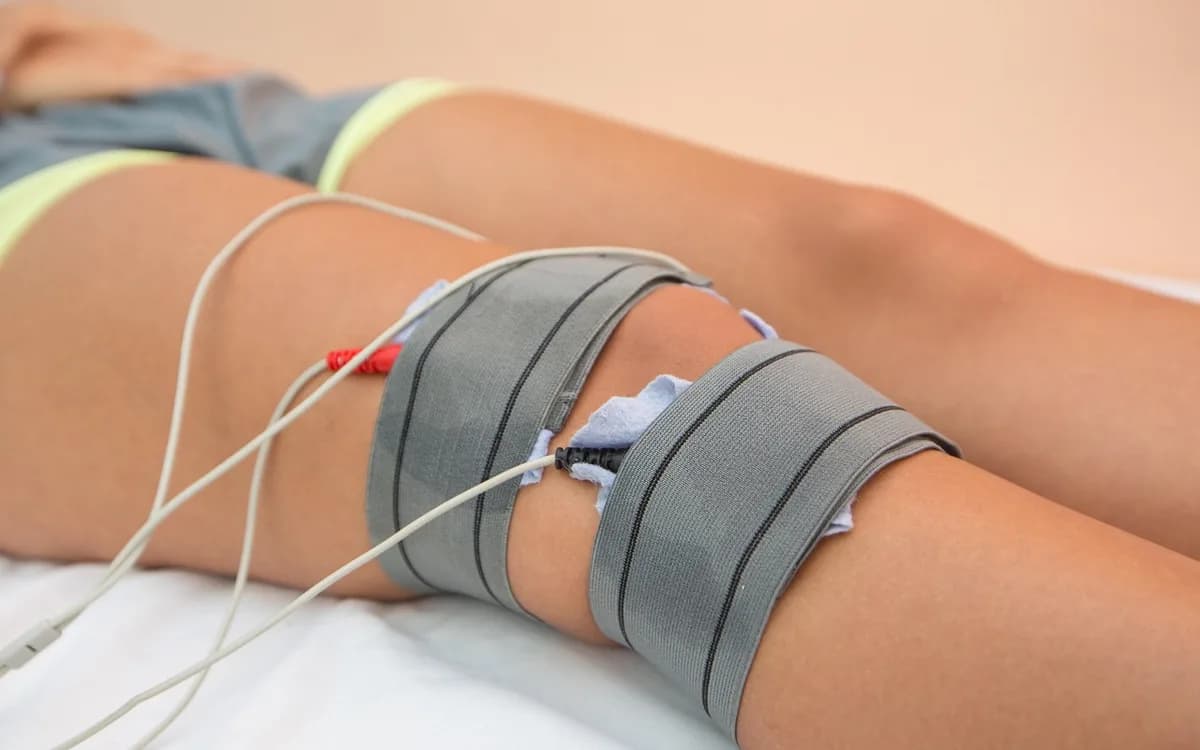
Through various techniques like gentle manual therapy, therapeutic exercises, and modalities (if appropriate), physiotherapy helps reduce joint pain and inflammation. We focus on non-pharmacological methods to alleviate discomfort.
Improving Mobility and Flexibility
Targeted exercises and stretches can help restore and maintain your joint's range of motion, making everyday movements easier. This includes gentle stretches and mobilisation techniques.
Strengthening Muscles
Strong muscles around a joint provide better support and stability, reducing the stress on the joint itself. Our programmes include exercises to strengthen these crucial muscles, which can significantly improve function and reduce pain.
Enhancing Balance and Coordination
Arthritis can sometimes affect balance, increasing the risk of falls. Physiotherapy includes exercises to improve your balance and coordination, enhancing your safety and confidence in movement.
Activity Modification and Ergonomics
Our physiotherapists can guide you on how to modify daily activities and adopt ergonomic principles to protect your joints, conserve energy, and perform tasks more comfortably and efficiently.
Education and Self-Management
A key aspect of physiotherapy is empowering you with knowledge. We educate you about your condition, pain management strategies, and how to safely continue exercises and activities independently, fostering long-term self-management.
When to Seek Urgent Medical Review for Joint Symptoms
While physiotherapy can effectively manage many arthritis symptoms, certain signs warrant immediate medical attention. It's crucial to know when to consult a doctor urgently to prevent serious complications:
- Sudden, Severe Pain: If you experience an abrupt onset of excruciating joint pain, especially after an injury or without a clear cause.
- Rapid Swelling, Redness, and Warmth with Fever: If a joint becomes rapidly swollen, red, hot to touch, and is accompanied by a fever or chills, this could indicate a serious infection (septic arthritis) requiring urgent medical treatment.
- Inability to Move the Joint: If you suddenly lose the ability to move a joint at all, or bear weight on it.
- Joint Deformity: Any sudden or significant change in the shape or alignment of a joint.
- Numbness, Tingling, or Weakness Spreading: If joint pain is accompanied by rapidly progressing numbness, tingling, or weakness in a limb, it could indicate nerve compression.
- Unexplained Weight Loss or Severe Fatigue: If joint symptoms are accompanied by significant, unexplained weight loss or profound, debilitating fatigue, it warrants prompt medical investigation.
Always prioritise a medical doctor's assessment for these 'red flag' symptoms.
The Convenience of Home Physiotherapy in Pune for Arthritis Care
For individuals managing arthritis, the convenience of home-visit physiotherapy in Pune offers significant advantages:
- Personalised Care: Treatment plans are tailored specifically to your home environment and daily routine, making exercises more practical and sustainable.
- Comfort and Privacy: Receive treatment in the familiar and comfortable setting of your own home, eliminating the need to travel, especially on days when symptoms are severe.
- No Travel Hassle: Avoid the stress of commuting through Pune's traffic, parking, or arranging transport, which can be particularly challenging with painful or stiff joints.
- Integrated into Daily Life: Our physiotherapists can observe your home environment and suggest modifications or assistive devices that seamlessly integrate into your daily living, enhancing your independence.
Living Well with Arthritis: Tips for Daily Life
Managing arthritis is a journey that involves consistent effort and lifestyle adjustments. Alongside physiotherapy, consider these tips:
- Stay Active (Gently): Regular, low-impact exercises like walking, swimming, or cycling can help maintain joint flexibility and strengthen supporting muscles. Listen to your body and avoid overexertion.
- Maintain a Healthy Weight: Excess body weight puts additional stress on weight-bearing joints like knees and hips. Managing your weight can significantly reduce pain and slow progression, especially in osteoarthritis.
- Healthy Diet: Focus on a balanced diet rich in fruits, vegetables, and whole grains. Some people find anti-inflammatory foods beneficial.
- Heat and Cold Therapy: Apply heat packs to soothe stiff joints and muscles, or cold packs to reduce swelling and acute pain.
- Good Posture: Be mindful of your posture during daily activities to minimise strain on your joints.
- Listen to Your Body: Learn to recognise when to rest and when to push gently. Overdoing it can lead to flare-ups.
By understanding your arthritis symptoms and embracing a proactive approach with the support of home physiotherapy, you can significantly improve your joint health, manage pain, and continue to lead an active and fulfilling life in Pune.