Arthritis FAQs: Home Physiotherapy for Joint Pain in Pune
Reviewed by Dr. Krishna, Lead Consultant Physiotherapist at Proper Care Physiotherapy
On this page
- What Exactly is Arthritis?
- What are the Common Symptoms of Arthritis?
- How Can Physiotherapy Help with Arthritis?
- What Does a Home Physiotherapy Session for Arthritis Involve?
- What Lifestyle Changes Can Help Manage Arthritis?
- When Do Arthritis Symptoms Need Urgent Medical Review?
- Why Choose Home Physiotherapy for Arthritis in Pune?
Arthritis is a common condition that affects millions of people across India, causing discomfort, stiffness, and sometimes limiting daily activities. Whether you're experiencing mild aches or more persistent joint pain, understanding arthritis and its management is crucial for a better quality of life. At our home-visit physiotherapy clinic in Pune, we believe in empowering our patients with knowledge and effective, personalised care right at their doorstep. This article aims to address some of the most frequently asked questions about arthritis.
Arthritis is not a single disease but a general term for conditions that cause joint inflammation, leading to pain, stiffness, and swelling. There are over 100 different types of arthritis, with osteoarthritis (OA) and rheumatoid arthritis (RA) being the most prevalent.
What Exactly is Arthritis?
Simply put, arthritis means inflammation of one or more of your joints. Our joints are complex structures where two or more bones meet, cushioned by cartilage, and surrounded by a lubricating fluid and protective tissues. When these components become inflamed, damaged, or wear down, it leads to the characteristic symptoms of arthritis.
The Two Most Common Types: Osteoarthritis (OA) and Rheumatoid Arthritis (RA)
- Osteoarthritis (OA): This is the most common type, often referred to as "wear-and-tear" arthritis. It occurs when the protective cartilage that cushions the ends of your bones gradually deteriorates over time. This leads to bones rubbing against each other, causing pain, stiffness, and reduced movement. OA commonly affects weight-bearing joints like the knees, hips, and spine, as well as hands. It usually develops gradually with age.
- Rheumatoid Arthritis (RA): This is an autoimmune disease, meaning your body's immune system mistakenly attacks the lining of your joints (synovium). This causes inflammation, swelling, and pain, and can eventually lead to joint damage and deformity if not managed. RA typically affects multiple joints symmetrically, often starting in smaller joints like those in the fingers, wrists, and feet. Unlike OA, RA can affect people at any age, including young adults, and can also impact other organs in the body.
Other types of arthritis include gout, psoriatic arthritis, and ankylosing spondylitis, each with unique causes and symptoms.
What are the Common Symptoms of Arthritis?
While symptoms can vary depending on the type of arthritis and which joints are affected, some common signs include:
- Joint Pain: This is the most prevalent symptom, ranging from a dull ache to sharp, intense pain.
- Stiffness: Joints often feel stiff, especially in the morning or after periods of rest. For RA, morning stiffness can last for more than 30 minutes, sometimes even hours, and improves with movement. For OA, morning stiffness is usually shorter, less than 30 minutes, and eases with activity.
- Swelling: The affected joints may appear swollen and feel warm to the touch due to inflammation.
- Reduced Range of Motion: It might become difficult to move the affected joint fully, impacting daily activities.
- Redness: The skin over the affected joint might appear red.
- Fatigue: Especially common in inflammatory types like RA, where the body's immune response can cause overall tiredness.
- Grating or Cracking Sensation (Crepitus): In OA, you might hear or feel a grinding sensation when moving the joint due to roughening cartilage.
How Can Physiotherapy Help with Arthritis?
Physiotherapy plays a vital role in managing arthritis symptoms and improving your quality of life, offering a non-invasive and drug-free approach. Our physiotherapists in Pune can provide personalised treatment plans tailored to your specific condition and needs.
Key Benefits of Physiotherapy for Arthritis:
- Pain Management: Physiotherapy uses various techniques like manual therapy, therapeutic exercises, and modalities (such as heat/cold therapy or electrotherapy) to help reduce pain and inflammation.
- Improved Joint Mobility and Flexibility: Gentle stretching and range-of-motion exercises help prevent joint stiffness and improve flexibility, allowing you to move more freely.
- Muscle Strengthening: Strengthening the muscles around affected joints provides better support and stability, reducing stress on the joints and lowering the risk of injury.
- Enhanced Posture and Body Mechanics: Physiotherapists can assess your posture and movement patterns, guiding you on correct ways to move, lift, and perform daily tasks to prevent additional strain on your joints.
- Functional Independence: By improving strength, flexibility, and reducing pain, physiotherapy helps you perform daily activities with greater ease and confidence, enhancing your overall independence.
- Education and Self-Management Strategies: We equip you with knowledge about your condition, home exercise programmes, and lifestyle modifications to manage your symptoms long-term.
The goal is to restore the use of the affected joint, increase strength, and maintain your ability to perform daily functions.
What Does a Home Physiotherapy Session for Arthritis Involve?
When our physiotherapist visits you at home in Pune, they will first conduct a thorough assessment. This includes understanding your medical history, current symptoms, lifestyle, and your specific goals.
A typical session might include:
- Detailed Assessment: Evaluation of your joint mobility, muscle strength, posture, and how your pain impacts your daily activities.
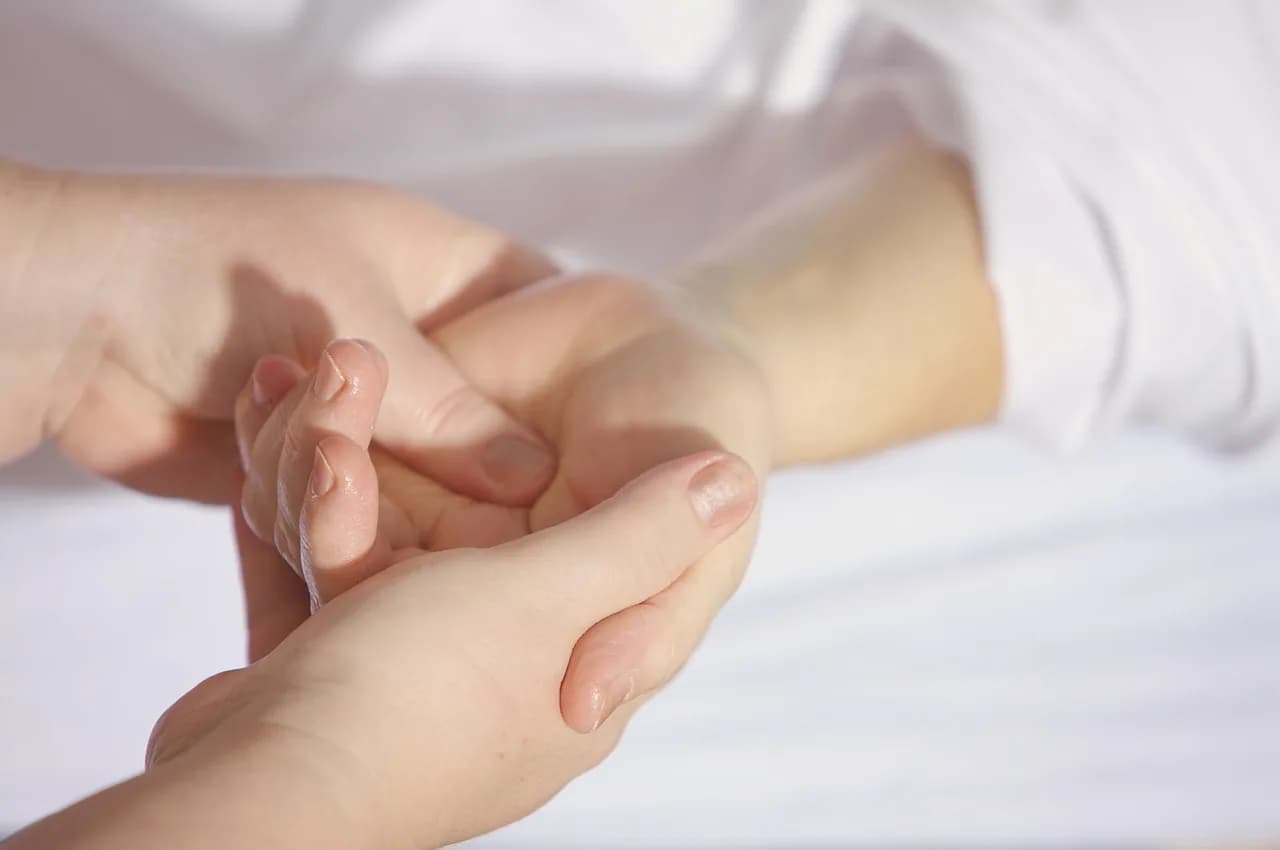
- Manual Therapy: Gentle techniques to mobilise stiff joints and relieve muscle tension.
- Therapeutic Exercises: A customised exercise programme focusing on improving range of motion, strengthening muscles around the affected joints, and improving balance and coordination. These will be demonstrated and practised with you.
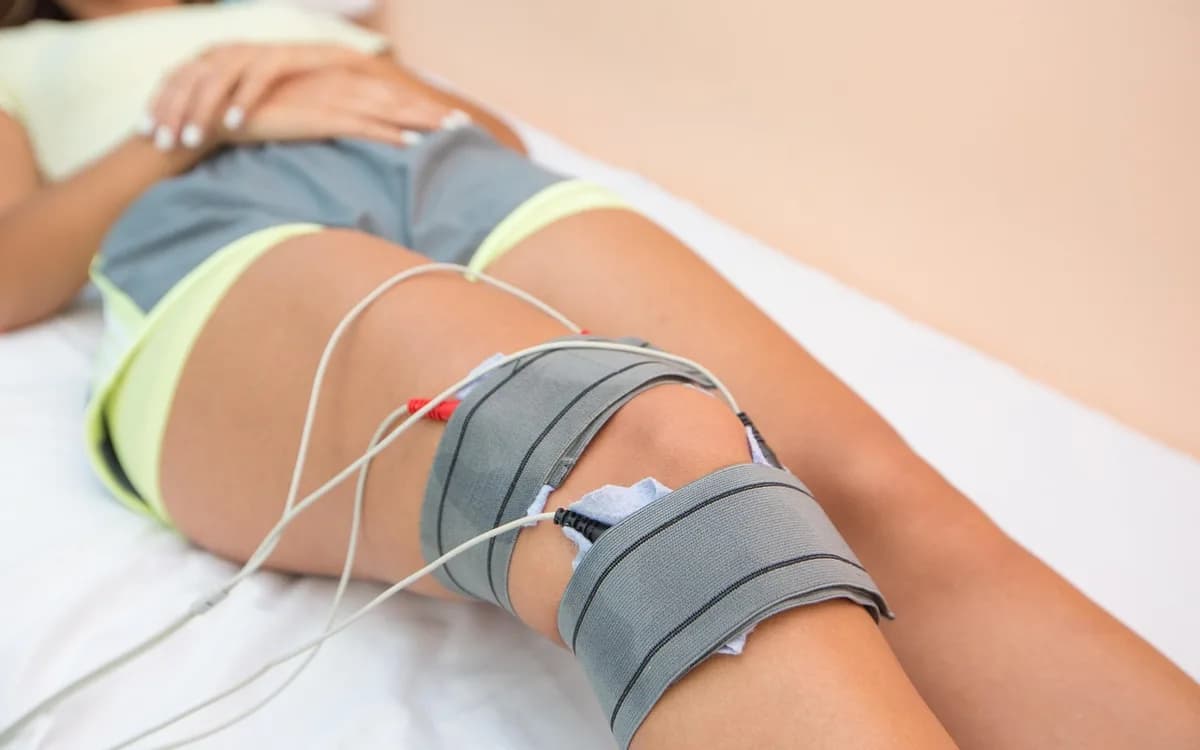
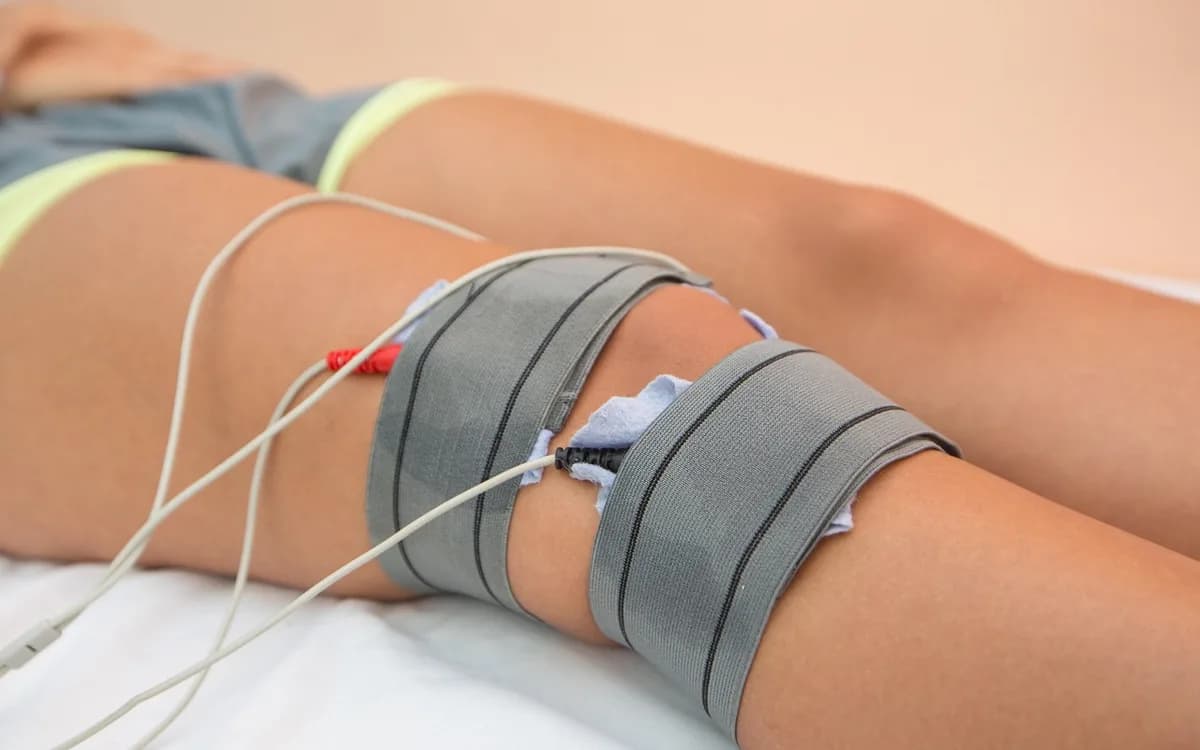
- Pain Relief Modalities: If appropriate, techniques like hot/cold packs or basic electrotherapy (e.g., TENS if available and indicated) may be used to reduce pain and inflammation.
- Education and Advice: Guidance on proper body mechanics, joint protection techniques, activity modification, and setting up an ergonomic home environment.
- Home Exercise Programme: You will be taught specific exercises to continue between sessions, which are crucial for long-term management.
The convenience of home physiotherapy means you receive consistent, professional care without the hassle of travel, making it easier to adhere to your treatment plan.
What Lifestyle Changes Can Help Manage Arthritis?
Alongside physiotherapy, several lifestyle adjustments can significantly help manage arthritis symptoms:
- Maintain a Healthy Weight: Excess body weight puts additional stress on weight-bearing joints like knees and hips, worsening pain. Losing even a small amount of weight can make a big difference.
- Regular, Low-Impact Exercise: Activities like brisk walking, swimming, cycling, and water aerobics are excellent for joint health. They help strengthen muscles, improve flexibility, and manage weight without putting excessive strain on joints.
- Anti-Inflammatory Diet: Eating a balanced diet rich in fruits, vegetables, and whole grains, and low in processed foods, can help reduce inflammation in the body.
- Stay Hydrated: Water is crucial for joint cartilage health and lubrication. Aim for 8-10 glasses of water daily.
- Protect Your Joints: Learn joint protection techniques to avoid overstressing affected joints during daily tasks. Use assistive devices if recommended by your physiotherapist.
- Balance Activity and Rest: Listen to your body. While exercise is important, avoid overdoing it and ensure adequate rest to prevent flare-ups.
- Quit Smoking: Smoking can worsen certain types of arthritis and overall joint health.
When Do Arthritis Symptoms Need Urgent Medical Review?
While physiotherapy is highly effective for managing arthritis, certain symptoms warrant immediate medical attention from a doctor (rheumatologist or orthopaedic specialist). Do not delay seeking professional medical advice if you experience any of the following:
- Sudden, Severe Joint Pain and Swelling: Especially if it's accompanied by intense redness and warmth in a single joint, this could indicate an infection (septic arthritis) or a gout flare-up, which needs urgent medical intervention.
- Joint Pain with Fever, Chills, or General Malaise: These systemic symptoms, along with joint pain, could suggest an infection or a serious inflammatory condition that requires prompt diagnosis and treatment.
- Joint Deformity or Rapidly Worsening Deformity: Any noticeable change in the shape of your joint or a sudden inability to move it requires immediate medical assessment.
- New or Worsening Weakness, Numbness, or Tingling: If joint pain is accompanied by neurological symptoms, it could indicate nerve compression, which needs a doctor's evaluation.
- Joint Pain After an Injury: If your arthritis pain significantly worsens after a fall or injury, or if you suspect a fracture, seek medical attention immediately.
- Joint Pain Lasting More Than Six Weeks: Persistent joint pain or stiffness that doesn't improve with rest or basic self-care should be evaluated by a doctor to get an accurate diagnosis. Early diagnosis, especially for inflammatory arthritis like RA, is crucial to prevent irreversible joint damage.
Always consult a doctor first for a diagnosis, especially if your symptoms are new, severe, or rapidly changing. Our physiotherapists work in conjunction with your medical doctor to ensure a comprehensive care plan.
Why Choose Home Physiotherapy for Arthritis in Pune?
Opting for home physiotherapy offers unparalleled convenience and comfort, especially for individuals managing arthritis. It eliminates the challenges of travelling to a clinic, particularly on days when pain or stiffness is more pronounced. Our qualified physiotherapists bring expert care directly to your doorstep in Pune, allowing for:
- Personalised Attention: Sessions are one-on-one, ensuring your unique needs and home environment are fully considered in your treatment plan.
- Comfort and Convenience: Receive therapy in the familiar and comfortable surroundings of your own home, reducing stress and promoting relaxation.
- Consistency: Easier adherence to your treatment schedule, which is vital for effective arthritis management.
- Functional Relevance: Exercises and advice can be directly integrated into your daily routines and home setup, making them more practical and effective.
Living with arthritis doesn't mean giving up an active and independent life. With the right support, including a tailored home physiotherapy programme, you can significantly manage your symptoms, improve your mobility, and enhance your overall well-being. Our team in Pune is dedicated to helping you achieve just that.