Can Physiotherapy Cure a Slip Disc?
Reviewed by Dr. Krishna, Lead Consultant Physiotherapist at Proper Care Physiotherapy
On this page
- Understanding Your Spine: What Exactly is a "Slip Disc"?
- Can Physiotherapy Truly "Cure" a Slip Disc? The Clinical Answer
- The Body's Remarkable Healing: How Discs Resorb Naturally
- Centralization of Pain: A Positive Sign in Recovery
- Proper Care Physiotherapy's Clinical Approach in Pune
- Core Interventions for Effective Slip Disc Rehabilitation
- The Cornerstone of Long-Term Recovery: Core Stabilization
- Beyond the Clinic: Home Physiotherapy for Slip Disc in Pune
- When to Seek Urgent Medical Review: Recognizing Red Flags
- Realistic Recovery Expectations and Prevention
- Frequently Asked Questions (FAQs)
The sudden jolt of back pain, perhaps radiating down your leg, often leads to the alarming thought: "Have I slipped a disc?" This common phrase conjures images of spinal discs literally sliding out of place, causing immense fear and uncertainty. At Proper Care Physiotherapy in Pune, we understand these anxieties. While discs don't truly 'slip,' a disc herniation (often referred to as a 'slip disc') can be incredibly painful and disruptive to daily life. The crucial question that follows is: Can physiotherapy cure a slip disc?
The answer, for a significant majority of patients, is a resounding yes. Physiotherapy is a highly effective, non-surgical pathway to not just manage symptoms, but to facilitate the body's natural healing processes, restore function, and achieve lasting relief from disc herniation in Pune.
Understanding Your Spine: What Exactly is a "Slip Disc"?
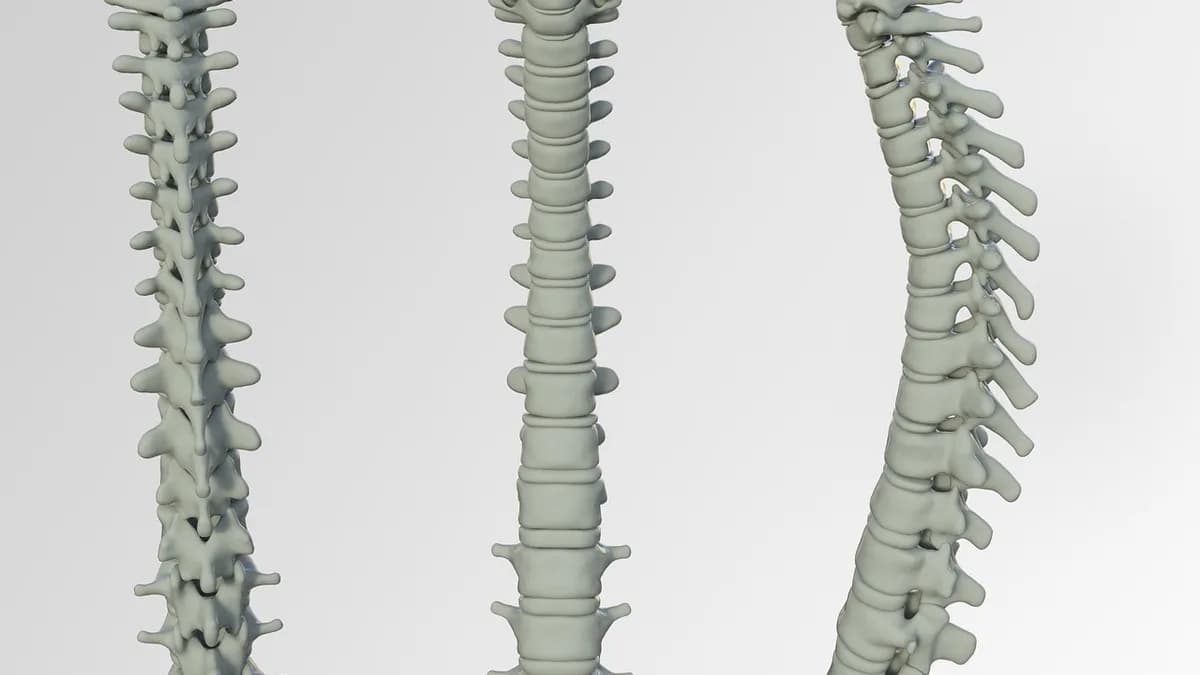
Before we delve into the cure, let's clarify what happens when you experience a "slip disc." Your spine is made of individual bones called vertebrae, cushioned by intervertebral discs. These discs act as shock absorbers and allow for spinal flexibility. Each disc has a tough outer ring (annulus fibrosus) and a soft, gel-like center (nucleus pulposus).
A "slip disc" or disc herniation occurs when the soft inner material pushes through a tear or weakness in the outer layer. This can cause the disc material to bulge, protrude, or even extrude into the spinal canal, potentially compressing nearby spinal nerves.
Common Symptoms of a Herniated Disc:
- Localized Back or Neck Pain: Often sharp or aching, in the area of the herniation.
- Radiating Pain (Sciatica or Radiculopathy): If a nerve is compressed, pain can travel down the leg (sciatica) or arm (cervical radiculopathy), often described as a burning, shooting, or electric sensation. Sciatica is a very common symptom of lumbar disc herniation.
- Numbness or Tingling: A "pins and needles" sensation in the affected limb. Tingling in fingers can indicate cervical disc issues.
- Muscle Weakness: Difficulty lifting the foot (foot drop), gripping objects, or general weakness in the affected muscles.
- Loss of Reflexes: A clinical sign indicating nerve compression.
Can Physiotherapy Truly "Cure" a Slip Disc? The Clinical Answer
The term "cure" can be tricky in medical contexts. For a slip disc, physiotherapy aims for a permanent recovery by resolving symptoms, restoring full function, and equipping you with the tools to prevent recurrence. In most cases, this is achieved without surgery. Research and clinical experience demonstrate that 70-90% of patients with herniated discs find significant relief and long-term outcomes with conservative treatments like physiotherapy, often matching surgical results at the 1-2 year mark.
Physiotherapy doesn't just mask the pain; it addresses the underlying mechanical issues and harnesses the body's incredible capacity for self-healing. This involves understanding and facilitating the process of disc resorption and pain centralization.
The Body's Remarkable Healing: How Discs Resorb Naturally
One of the most surprising and encouraging facts for patients is that herniated discs often shrink or resorb over time, even without surgical intervention. This natural healing process is well-documented and forms the foundation of conservative treatment.
Key Mechanisms of Disc Resorption:
- Dehydration and Contraction: The herniated disc material, rich in water, can gradually lose its water content. This dehydration causes the material to shrink and retract, reducing pressure on the nerve.
- Immune Response (Phagocytosis): When disc material protrudes beyond its normal boundaries, the body's immune system can sometimes recognize it as foreign. This triggers an inflammatory response, where specialized immune cells (macrophages) break down and remove the extruded disc fragments. This 'cleaning up' process effectively reduces the size of the herniation.
- Spontaneous Retraction: In some cases, the herniated material can spontaneously retract back into the disc space, particularly if the tear in the annulus fibrosus is not complete or if certain movements encourage this retraction.
Physiotherapy plays a crucial role in creating an optimal environment for these natural healing mechanisms to occur, by reducing inflammation, promoting appropriate movement, and offloading the affected disc.
Centralization of Pain: A Positive Sign in Recovery
A critical concept in disc herniation recovery, particularly emphasized in methodologies like the McKenzie approach, is centralization of pain. This phenomenon describes the migration of pain and other symptoms (like numbness or tingling) from the periphery of the body (e.g., the calf or foot) back towards the spinal midline (the lower back).
When a patient performs specific movements or adopts certain postures under the guidance of a physiotherapist, and their leg pain retreats upwards towards the buttock, then to the back, and eventually diminishes, it is a strong indicator of a positive prognosis. This suggests that the pressure on the nerve root is being relieved and the disc material may be moving away from the nerve.
Observing centralization provides invaluable feedback, guiding the physiotherapist in selecting the most effective exercises and positions, and giving the patient confidence that their condition is improving. Patients who achieve centralization generally experience better outcomes with less pain and improved function.
Proper Care Physiotherapy's Clinical Approach in Pune
At Proper Care Physiotherapy in Pune, our approach to treating slip disc is deeply rooted in evidence-based practice and personalized care. We understand that every disc herniation is unique, and a one-size-fits-all solution is rarely effective. Our doctor-led home-care model ensures that you receive comprehensive, consistent, and clinically excellent treatment right at your doorstep.
Comprehensive Clinical Assessment: Beyond the Pain
Your journey begins with a thorough assessment by Dr. Krishna, our lead consultant physiotherapist. This isn't just about identifying where it hurts; it involves:
- Detailed History: Understanding your symptoms, their onset, aggravating and relieving factors, and how they impact your daily life and work in Pune.
- Neurological Examination: Checking reflexes, sensation, and muscle strength to identify any nerve compression or damage.
- Movement Assessment: Evaluating your spinal range of motion, identifying directional preferences for movements that centralize pain (like specific extension or flexion exercises), and observing your posture and movement patterns.
- Differential Diagnosis: Ruling out other conditions that can mimic disc pain, ensuring the treatment is precisely targeted.
Individualized Treatment Planning: Your Path to Recovery
Based on your assessment, a tailored treatment plan is developed, focusing on:
- Pain Management: Utilizing gentle manual techniques, modalities (if necessary), and specific movements to reduce acute pain and inflammation.
- Restoring Mobility: Gradually increasing pain-free range of motion through targeted stretches and mobilizations.
- Strengthening: Building foundational core stability and overall spinal support to prevent future issues.
- Education: Empowering you with knowledge about your condition, proper body mechanics, and self-management strategies.
Core Interventions for Effective Slip Disc Rehabilitation
Our treatment for slip disc integrates various techniques, all aimed at fostering natural healing and long-term spinal health.
Manual Therapy and Spinal Mobilization
Our physiotherapists use hands-on techniques to gently mobilize stiff spinal joints, reduce muscle spasms, and improve tissue flexibility. This can help decrease pressure around the herniated disc and facilitate nerve gliding, easing radiating pain.
Targeted Exercise Therapy: Strengthening & Core Stability
Exercise is the cornerstone of disc herniation recovery. Our programs progress through stages:
- Acute Phase: Focus on pain relief and gentle, directional movements that encourage centralization, often involving specific extension exercises (like modified McKenzie press-ups) if indicated. These help to gently shift disc material away from the nerve.
- Sub-Acute & Recovery Phase: As pain subsides, we introduce exercises to restore full, pain-free range of motion, improve flexibility, and begin strengthening the muscles supporting your spine.
- Long-Term Rehabilitation: Emphasis shifts to advanced core stabilization and functional movements to build resilience and prevent recurrence.
Pain Management Strategies: Education and Modalities
Understanding pain can significantly reduce its impact. We provide comprehensive pain education, helping you differentiate between 'good pain' (from exercise) and 'bad pain' (indicating tissue irritation). While modalities like heat or cold packs can offer temporary relief, our primary focus remains on active rehabilitation.
Ergonomics and Postural Correction for Long-Term Relief
Poor posture and ergonomic habits are common contributors to disc issues. We provide practical advice on maintaining proper posture during daily activities, whether you're working from home in Pune, driving, or sleeping. This includes guidance on workstation setup, lifting techniques, and movement patterns to minimize spinal load.
The Cornerstone of Long-Term Recovery: Core Stabilization
For truly permanent recovery from a slip disc, building a strong and stable core is non-negotiable. Your core muscles act as a natural "corset" for your spine, providing crucial support and reducing the stress on your intervertebral discs.
Building a Strong Foundation: Protecting Your Spine
Our program emphasizes deep core muscles, such as the transversus abdominis and multifidus, which stabilize the spine segment by segment. We gradually introduce exercises that promote spinal neutrality and control, avoiding movements that can aggravate the disc, such as excessive spinal flexion or twisting under load in the early stages.
Examples of disc-friendly core stabilization exercises include:
- Pelvic Tilts: A foundational exercise to engage deep abdominal muscles and improve lumbar control.
- Dead Bug: Excellent for strengthening the core while maintaining a neutral spine, challenging control without spinal flexion.
- Bird Dog: Enhances stability and coordination by engaging core and back extensors from a hands-and-knees position.
- Modified Plank: Builds endurance in core stabilizers, starting with easier variations and progressing gradually.
- Glute Bridges: Strengthens glutes and hamstrings, which are vital for supporting the pelvis and lower back.
Progressive Loading: From Pain Relief to Functional Strength
Exercise progression is carefully managed. We start with low-load, isometric exercises to establish basic control and then gradually advance to more dynamic and functional movements. The goal is not just to reduce pain, but to build a spine that can withstand the demands of daily life, work, and even recreational activities without fear of recurrence.
Beyond the Clinic: Home Physiotherapy for Slip Disc in Pune
For patients in Pune dealing with the debilitating pain of a slip disc, home physiotherapy offers distinct advantages:
- Comfort and Convenience: Avoiding travel and clinic waiting times, especially when pain makes movement difficult.
- Personalized Environment: Treatment is tailored to your specific home setup, addressing ergonomic challenges in your actual living and working spaces.
- Consistent Care: Regular, uninterrupted sessions are crucial for disc recovery, and home visits make adherence easier.
- Caregiver Involvement: Family members or caregivers can actively participate, learning how to assist safely with exercises and daily activities.
A common mistake we observe at Proper Care Physiotherapy is inconsistent adherence to home exercise programs. While initial relief might be quick, true slip disc permanent recovery depends on consistent, long-term effort. Our home visit model helps overcome this by integrating therapy seamlessly into your routine and providing ongoing motivation and supervision.
When to Seek Urgent Medical Review: Recognizing Red Flags
While physiotherapy is highly effective for most disc herniations, certain symptoms warrant immediate medical attention. These are considered "red flags" and indicate potential severe nerve compression or other serious conditions:
- Sudden, Severe Weakness: Especially in the legs, making it difficult to walk or stand (e.g., foot drop).
- Loss of Bladder or Bowel Control: Incontinence or difficulty urinating/defecating (signs of Cauda Equina Syndrome).
- Saddle Anesthesia: Numbness in the groin, inner thighs, and genital area.
- Unexplained Fever or Weight Loss: Accompanied by back pain.
If you experience any of these symptoms, seek urgent medical consultation immediately.
Realistic Recovery Expectations and Prevention
With a dedicated physiotherapy program, most individuals experience significant pain reduction within 2-8 weeks. Full recovery, including complete symptom resolution and restoration of strength, typically takes 6-12 weeks, though structural healing of the disc can continue for several months.
Prevention is key to avoiding future disc issues. Maintaining a strong core, practicing good posture, staying active with regular gentle exercises, and being mindful of lifting techniques are crucial for long-term spinal health. Proper Care Physiotherapy equips you with these lifelong strategies.
Frequently Asked Questions (FAQs)
How long does it take for a slip disc to heal with physiotherapy?
With consistent physiotherapy, many patients experience significant pain relief and improved function within 2 to 8 weeks. While symptoms can resolve relatively quickly, the disc's structural healing and full recovery, including strengthening and preventing recurrence, typically takes 6 to 12 weeks, with continued improvement for up to 6-12 months.
What exercises should I avoid with a slip disc?
Initially, you should avoid high-impact activities, heavy lifting, and movements that involve excessive spinal flexion (bending forward), twisting under load, or sudden jarring motions. Your physiotherapist will provide specific guidance, but common movements to avoid include sit-ups, deep forward bends, and certain rotational exercises until cleared.
Can a slip disc come back after physiotherapy?
While physiotherapy effectively treats current symptoms and promotes healing, a disc herniation can recur if proper preventative measures are not maintained. Long-term adherence to core strengthening, postural awareness, and ergonomic principles taught during therapy is crucial to minimize the risk of recurrence and ensure slip disc permanent recovery.
Is surgery always necessary for a slip disc?
No, surgery is generally not necessary for most cases of slip disc. Conservative treatments, particularly physiotherapy, are the first-line approach and are successful for 70-90% of patients. Surgery is typically considered only for severe cases with worsening neurological deficits, loss of bowel/bladder control, or if conservative treatment fails after a prolonged period.