Managing Arthritis: Your Guide to Home Physiotherapy in Pune
Reviewed by Dr. Krishna, Lead Consultant Physiotherapist at Proper Care Physiotherapy

On this page
- Understanding Arthritis: More Than Just Joint Pain
- The Benefits of Home Physiotherapy for Arthritis Management
- Your Home Physiotherapy Journey in Pune: What to Expect
- Practical Tips for Living with Arthritis at Home
- When to Seek Urgent Medical Review for Arthritis Symptoms
- Empowering Your Arthritis Management Journey
Arthritis is a widespread condition affecting millions across India, causing persistent pain, stiffness, and reduced mobility in joints. It's more than just a minor ache; it can significantly impact your ability to perform daily activities, from walking and climbing stairs to simply opening a jar. While it's a chronic condition, the good news is that effective management can help individuals maintain their independence, reduce discomfort, and significantly improve their overall quality of life.
For those living in Pune, where navigating busy roads and traffic can be a challenge, especially with joint pain, home-visit physiotherapy offers a practical and personalised solution for arthritis care. Imagine receiving expert guidance and treatment without the stress of travel, right in the comfort and familiarity of your own home.
Understanding Arthritis: More Than Just Joint Pain
Arthritis broadly refers to inflammation of one or more joints. It's not a single disease but an umbrella term covering over 100 different conditions. The two most common types are:
- Osteoarthritis (OA): Often called 'wear and tear' arthritis, OA occurs when the protective cartilage that cushions the ends of your bones wears down over time. This leads to bone rubbing on bone, causing pain, stiffness, and swelling. It commonly affects knees, hips, hands, and the spine. Risk factors include age, obesity, previous joint injuries, and genetics.
- Rheumatoid Arthritis (RA): This is an autoimmune disease where the body's immune system mistakenly attacks its own tissues, particularly the lining of the joints. RA can lead to painful swelling, bone erosion, and joint deformity. It typically affects smaller joints first, like those in the hands and feet, often symmetrically.
Regardless of the type, common symptoms include joint pain, stiffness (especially in the morning or after periods of inactivity), swelling, redness, warmth, and a decreased range of motion. These symptoms can fluctuate, with 'flare-ups' causing increased discomfort and functional limitations.
The Benefits of Home Physiotherapy for Arthritis Management
Opting for home physiotherapy for your arthritis management comes with a unique set of advantages, particularly for residents of Pune:
- Unmatched Convenience: For many, especially seniors or those with severe joint pain, travelling to a clinic can be a daunting task. Avoiding the notorious Pune traffic and the physical exertion of getting to and from appointments means less stress and more energy reserved for your recovery. Our physiotherapists come directly to you, whether you're in Warje, Datta Nagar, or other nearby areas of Pune.
- Personalised and Contextualised Care: A home environment allows your physiotherapist to tailor your treatment plan precisely to your daily routines and living space. They can observe how you move in your own home – how you get out of bed, climb stairs, or navigate your kitchen – and then design exercises and strategies that are directly relevant to your specific challenges and goals.
- Comfort and Privacy: Many patients feel more relaxed and less self-conscious exercising in their own home. This comfortable setting can lead to better engagement with the therapy and more effective outcomes.
- Real-World Application and Environmental Assessment: Your therapist can identify potential hazards or areas for improvement within your home. They might suggest simple modifications, such as adjusting furniture, recommending assistive devices like grab bars, or advising on safer ways to perform household tasks, making your home a safer and more manageable space.
- Easier Family Involvement: Home sessions make it much simpler for family members or caregivers to participate, understand the exercises, and learn how to provide appropriate support and encouragement, fostering a collaborative approach to care.
Your Home Physiotherapy Journey in Pune: What to Expect
When you choose home physiotherapy for arthritis, you embark on a structured journey designed to empower you with better joint health and mobility:
Initial Comprehensive Assessment
A qualified and experienced physiotherapist will visit your home to conduct a thorough evaluation. This isn't just about your pain; it involves understanding your medical history, assessing your joint mobility, strength, balance, posture, and how arthritis impacts your daily activities. They will listen to your concerns and discuss your personal goals for therapy.
Developing a Customised Treatment Plan
Based on the assessment, your physiotherapist will create a personalised treatment plan. This plan is dynamic and will be adjusted as you progress. It often includes:
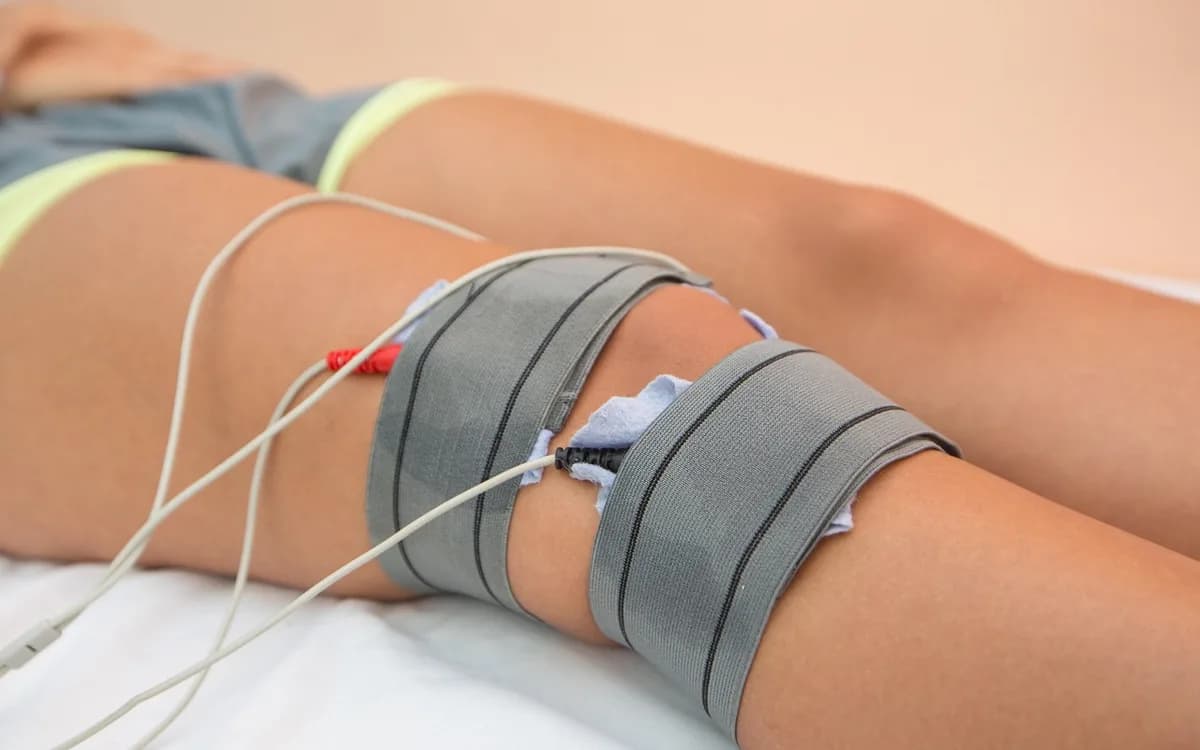
- Pain Management Techniques: Utilising manual therapy, gentle joint mobilisations, soft tissue techniques, and recommending modalities like heat/cold therapy to alleviate discomfort.
- Therapeutic Exercises: A carefully selected set of exercises to improve joint flexibility, strengthen the muscles supporting your joints, enhance balance, and increase endurance. These are designed to be safe and effective for your specific condition.
- Joint Protection Strategies: Education on how to perform daily tasks, lift objects, or move in ways that minimise stress on your affected joints, preserving their function for longer.
- Mobility and Assistive Device Advice: Recommendations for appropriate walking aids (like canes or walkers) if needed, and guidance on how to use them safely and effectively to improve stability and reduce falls risk.
- Ergonomic and Lifestyle Advice: Suggestions for adapting your home and workspace to make them more 'joint-friendly', along with guidance on managing fatigue and maintaining an active lifestyle within your limits.
Ongoing Support and Progress Monitoring
Through regular follow-up sessions, your physiotherapist will monitor your progress, refine your exercise programme, and provide continuous encouragement. They are there to answer your questions, address new concerns, and ensure your journey towards better joint health is smooth and effective.
Practical Tips for Living with Arthritis at Home
Managing arthritis effectively extends beyond your physiotherapy sessions. Incorporating these practical tips into your daily routine can make a significant difference:
- Stay Active (Wisely): While rest is important during flare-ups, consistent, gentle exercise is crucial for maintaining joint flexibility and muscle strength. Follow your physiotherapist's prescribed exercises diligently.
- Utilise Heat and Cold Therapy: Use warmth (like a warm bath or heating pad) to ease morning stiffness and relax muscles. Apply cold packs to reduce swelling and acute pain during flare-ups.
- Maintain a Healthy Weight: Excess body weight puts additional strain on weight-bearing joints like knees and hips. Even a modest weight loss can significantly reduce joint stress and pain.
- Listen to Your Body: Learn to recognise your body's signals. Don't push through severe pain. Understand that some days will be better than others, and adjust your activity levels accordingly.
- Embrace Assistive Devices: Don't view canes, walkers, or reachers as signs of weakness. They are tools that can significantly improve your safety, independence, and comfort, reducing strain on your joints.
- Practice Joint Protection: Learn techniques to use your strongest joints and muscles for tasks. For example, use both hands to lift heavy objects, or slide items across surfaces instead of lifting them.
- Pace Yourself: Break down large tasks into smaller, manageable steps. Take regular breaks to avoid overexertion and conserve energy.
- Choose Supportive Footwear: Wear comfortable, supportive shoes with good cushioning to absorb shock and protect your joints.
When to Seek Urgent Medical Review for Arthritis Symptoms
While physiotherapy is highly effective for managing the chronic symptoms of arthritis, it's crucial to recognise when certain signs indicate a need for immediate medical attention from a doctor. Do not delay seeking urgent medical review if you experience any of the following:
- Sudden, severe joint pain or swelling that is not improving with rest or usual remedies.
- Fever or chills accompanying joint pain, which could indicate an infection.
- New or rapidly worsening redness or warmth around a joint, suggesting acute inflammation or infection.
- Inability to move a joint at all, or if bearing weight becomes suddenly impossible due to extreme pain or instability.
- Numbness, tingling, or weakness in a limb, especially if it's new or rapidly progressing, as this could indicate nerve involvement.
- Signs of infection around a joint, such as pus or an open wound.
- Unexplained significant weight loss or profound fatigue alongside your joint symptoms.
These symptoms could indicate an acute flare-up, a joint infection, or another serious medical condition that requires prompt diagnosis and treatment by a medical doctor, beyond the scope of physiotherapy.
Empowering Your Arthritis Management Journey
Living with arthritis requires an ongoing commitment to self-care and professional guidance. Home physiotherapy offers a unique opportunity to receive expert, personalised care that integrates seamlessly into your life in Pune. By actively participating in your treatment plan, consistently performing your exercises, and adopting joint-friendly habits, you can significantly reduce pain, improve your mobility, and maintain a high quality of life.
Our goal is to empower you with the knowledge and tools to effectively manage your arthritis, helping you regain confidence in your movements and enjoy your daily activities with greater comfort and ease. Remember, while arthritis is a chronic condition, its impact on your life can be profoundly reduced with the right approach and consistent effort.