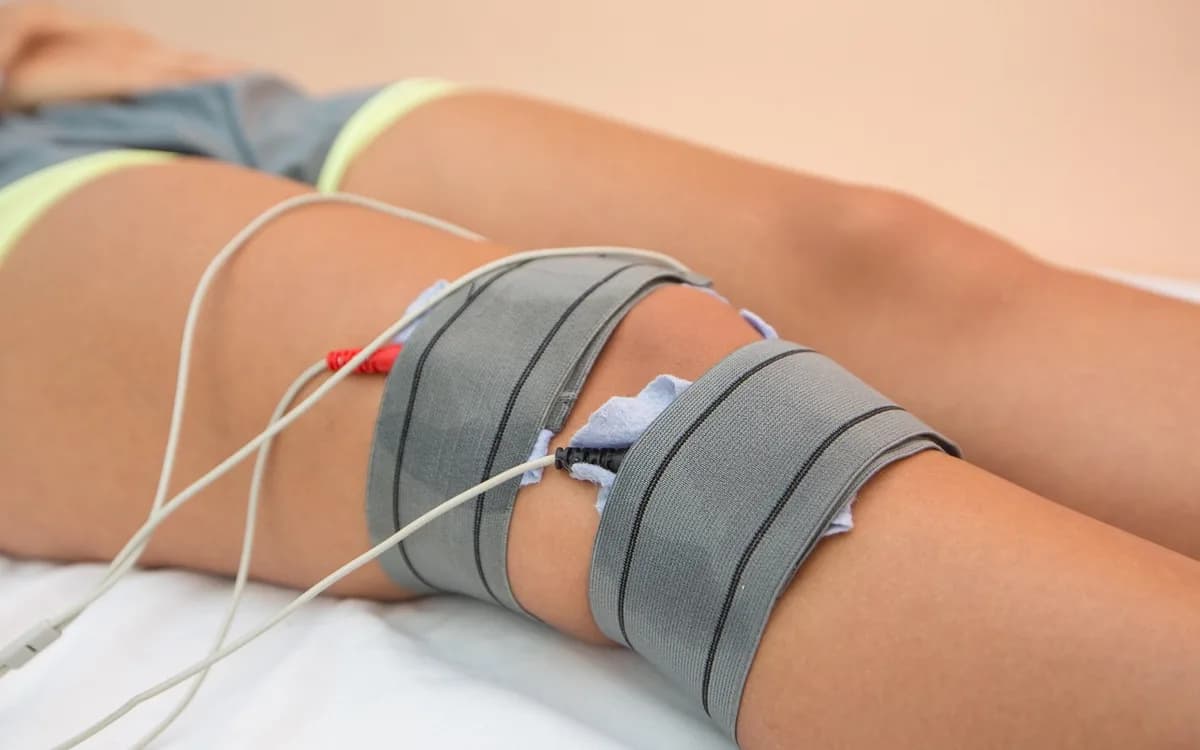
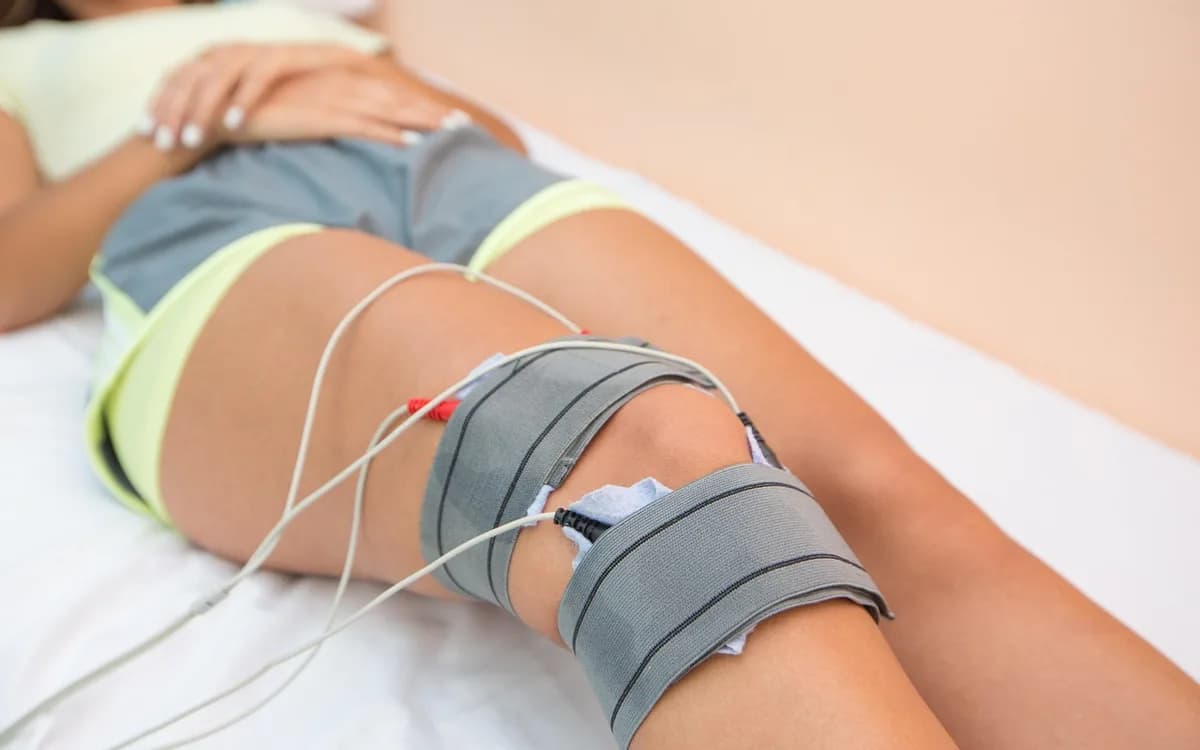
Knee Pain Physiotherapy Camp: FAQs & Home Care Tips
Reviewed by Dr. Krishna, Lead Consultant Physiotherapist at Proper Care Physiotherapy

Knee pain is a common concern for many, especially among the older residents of Camp, Pune. Whether it's a persistent ache, stiffness after sitting, or sharp discomfort with movement, knee pain can significantly impact daily life. Understanding the causes and knowing how to manage it effectively is key to maintaining your mobility and independence.
This article aims to address some frequently asked questions about knee pain and how physiotherapy, particularly at home, can offer relief and improve your knee health. We'll also cover practical tips for navigating life in Camp with knee pain and when it's crucial to seek urgent medical advice.
Understanding Common Causes of Knee Pain
Knee pain can stem from various sources, ranging from acute injuries to degenerative conditions. In Camp, as in many urban areas, we often see knee pain linked to issues like:
- Osteoarthritis: This is a common condition, particularly among older residents, where the cartilage cushioning the ends of your bones wears away over time, leading to pain, stiffness, and swelling.
- Ligament Sprains or Tears: Injuries to the ligaments (ACL, PCL, MCL, LCL) that stabilise the knee joint can occur from sudden twists, impacts, or falls.
- Meniscus Tears: The meniscus is a C-shaped piece of cartilage that acts as a shock absorber. Tears can happen with forceful twisting, often during sports or even from squatting.
- Tendinitis: Inflammation of the tendons around the knee, such as the patellar tendon or quadriceps tendon, usually due to overuse.
- Bursitis: Inflammation of the bursae, small fluid-filled sacs that cushion the outside of your knee joint, reducing friction.
Identifying the root cause is the first step towards effective management, and a thorough assessment by a healthcare professional is always recommended.
How Physiotherapy Supports Knee Health
Physiotherapy is a highly effective approach for managing knee pain, addressing its underlying causes, and restoring function. It goes beyond temporary relief, focusing on long-term joint health and preventing future issues. Our Knee Pain Physiotherapy programmes are tailored to individual needs.
Key Benefits of Physiotherapy for Knee Pain:
- Pain Reduction: Through targeted exercises, manual therapy, and modalities, physiotherapy helps alleviate discomfort. Active physiotherapy, which involves you actively participating in your recovery, has been shown to deliver substantial reductions in pain intensity.
- Strengthening Supporting Muscles: Exercises focus on building strength in the quadriceps (front of thigh), hamstrings (back of thigh), and calf muscles. Stronger muscles provide better support and stability to the knee joint, acting as natural shock absorbers.
- Improving Joint Mobility and Flexibility: Gentle movements and stretches help reduce stiffness and improve your knee's range of motion, making daily activities easier.
- Correcting Movement Patterns: A physiotherapist can identify and correct faulty movement patterns that might be contributing to your knee pain, helping you move more efficiently and safely.
- Enhanced Functional Performance: Physiotherapy aims to improve your ability to perform daily activities like walking, climbing stairs, squatting, and getting up from a chair with less pain and greater ease.
Whether for conditions like osteoarthritis or recovery from a meniscus tear, a structured exercise programme is considered a core treatment, often proving as effective as surgery for improving self-reported knee function in some cases.
Home Physiotherapy in Camp: A Local Perspective
For residents of Camp, Pune, especially those dealing with chronic knee pain or limited mobility, home physiotherapy offers unparalleled convenience and personalised care. Our physiotherapists are well-versed with the local environment and its unique practicalities.
When travelling to your home in Camp, our physiotherapists navigate familiar routes, whether it's from our clinic base on Katraj–Kondhwa Road up into the cantonment, or north on Satara Road and across by Shankar Sheth Road through Golibar Maidan to Pulgate. Solapur Road also serves the Pulgate end of Camp, ensuring we can reach you efficiently.
Addressing Local Challenges:
- Navigating Buildings: Camp features a mix of walk-up buildings with steep shared stairs and bungalows with steps at every doorway. Our physiotherapists understand these challenges and design exercise plans that are practical and safe within your home environment.
- Daily Routines: Sessions focus on your real daily route – from bed to bathroom to the street. We work on safe transfers, improving balance, and ensuring you can move confidently within your home and immediate surroundings.
- Busy Junctions & Road Closures: We account for local traffic at busy cantonment junctions and scheduled road closures on MG Road and around Pulgate during events like Palkhi, Christmas, or Eid-e-Milad, ensuring timely arrivals.
For older residents in Camp, who often experience knee pain due to arthritis, home sessions are particularly beneficial. They allow for rehabilitation tailored to your living space, making it easier to integrate exercises into your routine, often with a short plan a family member can supervise. Learn more about Home physiotherapy in Camp.
Safe and Effective Home Exercises for Knee Pain
While self-help exercises can be beneficial, it's crucial to perform them under the guidance of a qualified physiotherapist, especially if you have an existing condition or injury. Your physiotherapist will create a personalised exercise programme that is appropriate for your specific symptoms and condition, ensuring safety and effectiveness.
General Principles for Home Exercises:
- Start Gradually: Begin with a few repetitions and gradually increase as your ability and comfort allow.
- Listen to Your Body: If you experience any sharp or increasing pain during an exercise, stop immediately and consult your physiotherapist. Mild discomfort or muscle fatigue is normal, but pain is a warning sign.
- Consistency is Key: Regular, consistent practice yields the best results. Your physiotherapist will help you establish a routine.
Types of Exercises Your Physiotherapist Might Prescribe:
- Strengthening Exercises: These focus on the muscles around your knee, including quadriceps, hamstrings, and calves, to improve joint stability. Examples might include gentle knee extensions, hamstring curls, or calf raises. You can find more ideas on our page for Knee Strengthening Exercises for Joint Pain.
- Stretching Exercises: To maintain or improve your knee's range of motion and reduce stiffness.
- Balance and Proprioception Exercises: To improve your sense of joint position and prevent falls, especially important for older individuals.
A home exercise programme is a vital component of long-term management for conditions like knee osteoarthritis. For more detailed guidance, refer to our article on Knee Pain Physiotherapy at Home in NIBM Road, Pune.
When to Seek Urgent Medical Attention for Knee Pain
While physiotherapy is highly effective for many types of knee pain, certain symptoms warrant immediate medical attention. It's important to recognise these 'red flags' and consult a doctor without delay:
- Sudden, Severe Pain: Especially after an injury or fall, preventing you from bearing weight.
- Significant Swelling: Rapid or excessive swelling around the knee joint.
- Deformity: If your knee looks visibly misshapen or out of place.
- Inability to Bear Weight: If you cannot put any weight on your leg without extreme pain.
- Loud Pop or Click: If you heard a distinct sound at the time of injury, followed by pain and swelling.
- Fever, Redness, or Warmth: If your knee is hot to touch, red, and you have a fever, it could indicate an infection.
- Numbness or Tingling: If you experience numbness, tingling, or weakness in your leg or foot, it could suggest nerve involvement.
These symptoms may indicate a serious injury like a fracture, severe ligament tear, or infection, which require prompt medical diagnosis and treatment before physiotherapy can begin.
Navigating Daily Life with Knee Pain in Camp
Living with knee pain can make everyday tasks challenging, especially in an area like Camp with its unique architectural features and busy environment. Our home physiotherapy sessions are designed to help you adapt and move with greater ease and confidence.
Practical Tips for Camp Residents:
- Managing Stairs: If you live in a walk-up building or a bungalow with multiple steps, your physiotherapist will teach you safe techniques for ascending and descending stairs, reducing strain on your knees. This might involve using handrails, leading with your stronger leg, or taking one step at a time.
- Safe Transfers: Learning how to get in and out of bed, on and off a chair, or into a vehicle safely can significantly reduce discomfort and the risk of falls. Your physiotherapist will practice these transfers with you in your actual home environment.
- Activity Modification: Sometimes, slight adjustments to how you perform tasks can make a big difference. This might include using assistive devices temporarily, modifying your posture, or breaking down activities into smaller, manageable steps.
- Walking in Busy Areas: For those who enjoy walks along MG Road or East Street, your physiotherapist can help improve your gait and balance, making it safer and more comfortable to navigate crowded pavements.
Our focus is on empowering you to manage your knee pain effectively within the context of your daily life in Camp. Our Knee Pain Physiotherapy at home in Camp service brings expert care right to your doorstep, making your recovery journey as convenient as possible.
Conclusion
Knee pain doesn't have to limit your life in Camp, Pune. Physiotherapy offers a comprehensive and effective path to relief, improved mobility, and long-term knee health. By understanding the causes, embracing active rehabilitation, and learning how to adapt your daily routines, you can regain control over your comfort and independence.
Remember, a personalised approach is key. Consulting a qualified physiotherapist for an accurate diagnosis and a tailored treatment plan will provide you with the best outcomes. If you experience any of the urgent symptoms mentioned, please seek immediate medical attention.