Real Patient Stories: Physiotherapy in Katraj | Pune Clinic
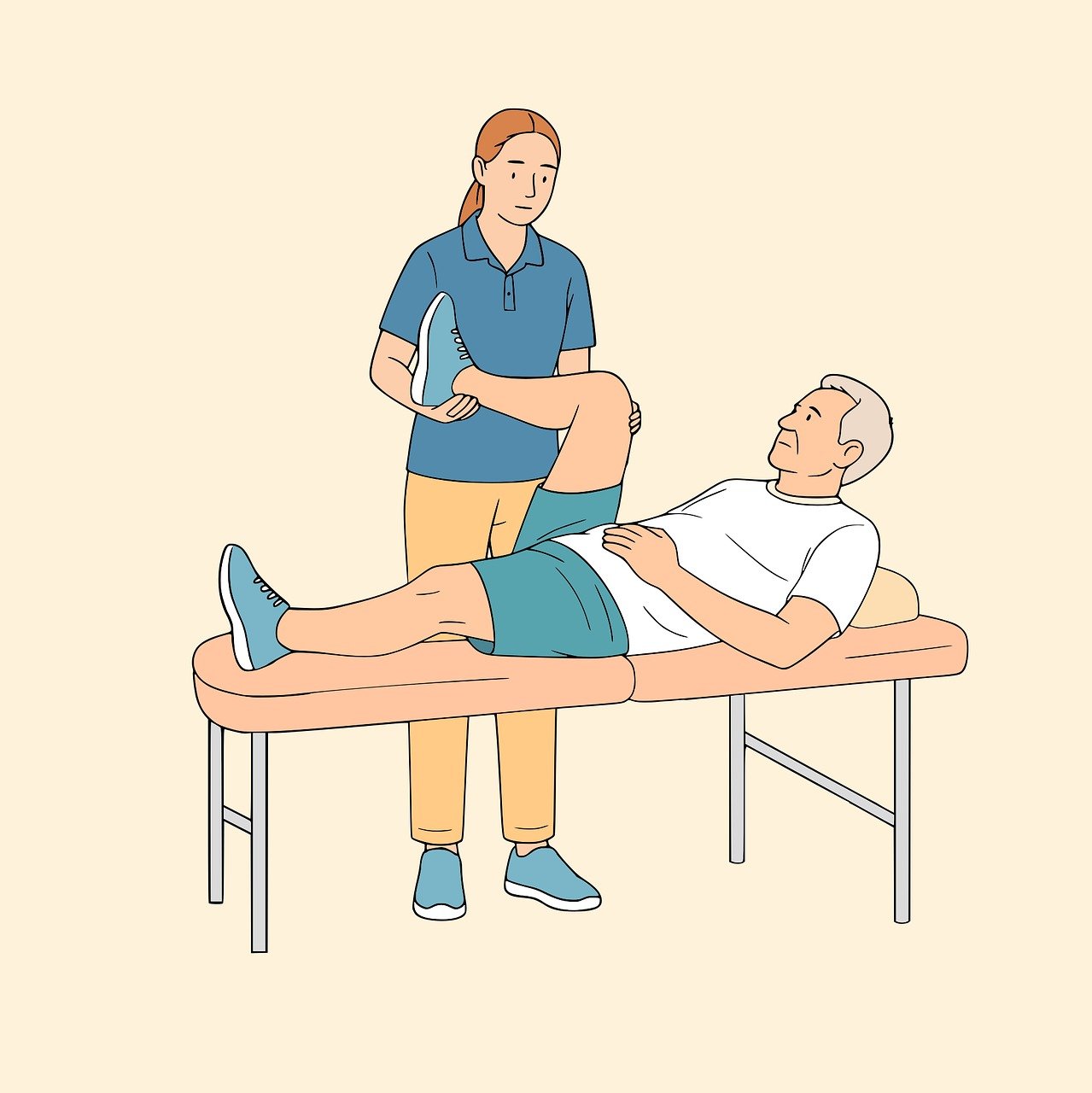
Welcome to Proper Care Physiotherapy: Where Healing Begins
Hello, and welcome. I am Dr. Krishna, and for the past 15 years, I have had the absolute privilege of serving the wonderful community here in Pune. Running Proper Care Physiotherapy has been more than just a profession for me; it has been a lifelong calling to help people regain their mobility, their independence, and their joy of living. Today, I want to talk to you about something very close to my heart. I want to share some Real Patient Stories: How Physiotherapy in Katraj Changed Lives. When a patient walks into my clinic, they are often at their lowest point—frustrated by chronic pain, exhausted by sleepless nights, and sometimes losing hope that they will ever feel "normal" again. But the human body has an incredible capacity to heal when given the right guidance, mechanical correction, and consistent care.
Over the years, I've seen thousands of patients from Katraj, Dhankawadi, Swargate, Bibwewadi, and even those who brave the Pune traffic from Kothrud and Hinjewadi just to visit our clinic. Every single person brings a unique biomechanical puzzle. It’s never just "back pain" or "knee pain." It is your back pain, influenced by your desk job at an IT park, your daily two-wheeler commute on bumpy Pune roads, or the stress of managing a busy household. By sharing these real, anonymized stories from my practice, I hope to demystify what we do in physiotherapy and show you that a pain-free life is entirely possible. Let's dive into some of the most remarkable recoveries I've witnessed right here in our clinic.
Rajesh's Battle with the "Pune IT Professional" Back Pain
Let me tell you about Rajesh (name changed for privacy), a 34-year-old software engineer working in Hinjewadi. Like many Puneites, his day consisted of a grueling one-and-a-half-hour commute in heavy traffic, followed by 9 to 10 hours slouched over a laptop, and then the exhausting drive back to his home in Katraj. When Rajesh first visited Proper Care Physiotherapy, he was walking with a visible lean to his left side. He was suffering from severe, debilitating lower back pain that had been progressively worsening over six months. He had tried over-the-counter painkillers, heat belts, and generic YouTube stretches, but nothing offered lasting relief.
During my clinical assessment, I noticed a significant loss of the natural curve in his lower spine (lumbar lordosis) and incredibly tight hamstrings. His core muscles—the natural "corset" that protects the spine—were practically dormant due to prolonged sitting. We diagnosed him with a postural mechanical lower back ache with a suspected mild disc bulge at the L4-L5 level, a classic presentation for desk workers. Rajesh was terrified that he would need surgery.
I sat him down and explained our approach to comprehensive back pain physiotherapy in Pune. I assured him that the vast majority of these cases resolve beautifully with conservative, targeted mechanical therapy. We didn't just hook him up to machines; we completely overhauled his movement mechanics. Here is what his personalized recovery blueprint looked like:
- Phase 1: Pain Modulation and Inflammation Control: For the first three sessions, we utilized advanced modalities like Interferential Therapy (IFT) and targeted cryotherapy to calm the angry tissues. I also used gentle manual traction to relieve the pressure on his lumbar discs.
- Phase 2: Restoring Mobility: Once the acute pain subsided, we started specific spinal extension exercises (McKenzie approach) to help centralize the disc material and restore his normal spinal curve. We also focused heavily on lengthening his chronically tight hip flexors and hamstrings.
- Phase 3: Core Re-education: This was the game-changer. I taught Rajesh how to properly engage his transverse abdominis (the deepest core muscle) without holding his breath. We progressed from simple pelvic tilts to complex stabilization exercises like the Bird-Dog and modified side planks.
- Phase 4: Ergonomic Overhaul: I had Rajesh take photos of his workstation. We adjusted his chair height, screen level, and taught him the "20-20-20 rule" (every 20 minutes, look 20 feet away for 20 seconds, and stand up!).
Within four weeks, Rajesh was pain-free. Today, he still does his 15-minute maintenance routine every morning before getting on his bike. His story is a powerful reminder that medication only masks the symptom; physiotherapy addresses the mechanical root cause.
Crucial Tips for Desk Workers to Prevent Back Pain:
- The "Micro-Break" is Mandatory: Do not sit for more than 45 minutes straight. Stand up, stretch your arms overhead, and do five gentle backward bends.
- Support Your Lumbar Spine: If your office chair lacks lower back support, use a rolled-up towel or a dedicated lumbar roll to maintain the inward curve of your lower back.
- Hydration for your Discs: Your spinal discs are mostly water. Staying hydrated helps maintain their shock-absorbing capabilities.
- Beware the Two-Wheeler Posture: When riding your bike over speed breakers, try to absorb the shock with your legs slightly rather than letting it jam directly up your spine.
Sunita's Journey Through the Agony of Sciatica
Next is Sunita, a 52-year-old homemaker from Dhankawadi. She came into the clinic supported by her son, tears in her eyes. Sunita described a pain that started in her right buttock and shot down the back of her thigh, all the way into her calf, feeling like "electric shocks and burning." She couldn't stand in the kitchen to cook, couldn't sleep on her right side, and felt completely helpless. This classic radiating pain is what we call Sciatica.
Sciatica isn't a condition in itself; it's a symptom of the sciatic nerve (the thickest nerve in the body) being pinched, irritated, or compressed somewhere along its pathway. For Sunita, years of bending, twisting, and lifting heavy household items without proper core engagement had led to a combination of lower lumbar facet joint stiffness and a tight piriformis muscle (a small muscle deep in the buttocks) which was strangling the nerve.
Treating severe nerve pain requires immense patience, precision, and a gentle touch. Aggressive stretching is the worst thing you can do for an inflamed nerve. At Proper Care Physiotherapy, our advanced sciatica treatment program in Pune focuses on "flossing" the nerve rather than stretching it. Here is how we helped Sunita regain her life:
- Nerve Gliding and Flossing: Nerves don't like to be stretched, but they love to glide. I taught Sunita specific "slider" exercises that gently mobilize the sciatic nerve through its mechanical sheath, freeing it from the tissues that were trapping it.
- Piriformis Release: Using deep tissue manual therapy techniques and dry needling (a specialized technique using fine needles to release muscle trigger points), we relaxed the spasm in her piriformis muscle, instantly taking pressure off the nerve.
- Spinal Decompression: We utilized specific positioning techniques and manual therapy to open up the spaces between her vertebrae (the foramen) where the nerve roots exit the spine.
- Functional Strengthening: As the pain radiating down her leg began to recede (a process we call centralization), we started strengthening her gluteus medius and core to ensure her pelvis remained stable while she performed daily chores.
It took about six weeks of dedicated therapy, but Sunita gradually went from being wheelchair-dependent to walking into the clinic with a massive smile, carrying a box of pedhas (sweets) to celebrate her recovery. She now knows exactly how to bend from her hips (hip-hinging) rather than her spine to pick things up from the floor safely.
Red Flags and Rules for Sciatica Sufferers:
- Stop Stretching the Pain: If bending forward to touch your toes sends a shooting pain down your leg, stop immediately. You are pulling an already inflamed nerve.
- Use Heat for Muscles, Ice for Nerves: Generally, an ice pack on the lower back (where the nerve root originates) for 15 minutes can numb the sharp nerve pain, while heat is better for generalized muscle stiffness.
- Sleep with a Pillow Between Your Knees: If you sleep on your side, this keeps your pelvis neutral and prevents the top leg from dropping and twisting your spine.
- Seek Immediate Medical Attention If: You experience sudden loss of bowel or bladder control, or numbness in your "saddle" area (inner thighs and groin). This is a medical emergency called Cauda Equina Syndrome.
Amit's Triumphant Post-Stroke Rehabilitation
Let's shift focus to one of the most challenging but rewarding aspects of my practice: neurological rehabilitation. Amit, a 65-year-old retired bank manager from Bibwewadi, suffered an ischemic stroke (a blood clot in the brain) that left the entire right side of his body paralyzed (hemiplegia). When I first saw him at his home—because we also offer specialized home visits for severe cases before transitioning them to our clinic—he was deeply depressed. A man who used to walk up Parvati Hill every morning was now confined to a bed, unable to lift his right arm or speak clearly.
Stroke rehabilitation is a marathon, not a sprint. It relies on the incredible concept of "neuroplasticity"—the brain's ability to rewire itself and form new neural connections to bypass the damaged areas. Our specialized stroke rehabilitation in Pune is heavily based on motor relearning programs and repetitive task-specific training.
Amit's journey took eight months of relentless hard work, sweat, and sometimes tears, but it was worth every second. Our comprehensive neuro-rehab strategy included:
- Preventing Complications: In the early stages, our main goal was to prevent muscle contractures (permanent shortening of muscles), shoulder subluxation (dislocation of the paralyzed shoulder), and bedsores. We did this through passive range of motion exercises and proper positioning techniques.
- Facilitating Normal Movement Patterns: Stroke patients often develop abnormal compensatory movements (like swinging the leg out in a semi-circle to walk). We used the Bobath concept to inhibit these abnormal tones and facilitate natural, energy-efficient movement patterns.
- Weight-Bearing and Balance Training: Before Amit could walk, he had to learn how to stand. We spent weeks simply practicing weight-shifting from his strong left leg to his weak right leg, utilizing parallel bars in the clinic to build his confidence and core stability.
- Gait Training and Fine Motor Skills: Once he could stand safely, we began gait training, focusing on heel-strike and toe-off mechanics. Simultaneously, we worked on his hand function, picking up blocks, buttoning shirts, and eventually, holding a pen.
Today, Amit walks into Proper Care Physiotherapy with a walking stick, chats with the staff, and has regained his independence in daily activities. Seeing him take those first independent steps was a moment of profound joy for his family and for me. It proves that with expert, consistent neurological physiotherapy, there is always life after a stroke.
Crucial Advice for Families of Stroke Survivors:
- Early Intervention is Key: The brain is most plastic (adaptable) in the first 3 to 6 months after a stroke. Do not delay the start of rigorous physiotherapy.
- Encourage the "Weak" Side: It is natural to let the survivor use only their good arm, but this leads to "learned non-use." Encourage them to incorporate the affected arm in daily tasks, even if it's just to hold a piece of paper down.
- Modify the Home: Remove loose rugs, install grab bars in the bathroom, and ensure good lighting to prevent falls, as balance is heavily compromised.
- Celebrate Small Wins: Moving a thumb by one millimeter is a massive neurological victory. Celebrate it to keep motivation high.
Meera's Fight Against Osteoarthritis Knee Pain
Finally, I must share the story of Meera, a 60-year-old retired school principal living in a building without an elevator in Swargate. Meera came to us with severe bilateral knee pain. Her knees felt stiff every morning, they made a grinding sound (crepitus) when she moved, and walking down the stairs of her apartment had become an agonizing, terrifying ordeal. Her orthopedic doctor had diagnosed her with Grade 3 Osteoarthritis (OA) and suggested that a total knee replacement might be on the horizon if things didn't improve.
Osteoarthritis is essentially the wear and tear of the smooth cartilage that cushions the ends of the bones in the knee joint. When this cartilage thins out, the bones rub closer together, causing pain, inflammation, and the formation of bone spurs. Meera was desperate to avoid surgery. At Proper Care Physiotherapy, our advanced knee pain physiotherapy program focuses on creating "muscular shock absorbers" to take the load off the degenerating joint.
Here is the detailed, conservative management plan that helped Meera avoid the operating table:
- Unloading the Joint: We started by taping her knee (kinesiology taping) to alter the patellar tracking and reduce the immediate mechanical stress on the painful areas. We also used ultrasound therapy to reduce the deep joint inflammation.
- VMO Activation: The Vastus Medialis Obliquus (VMO) is the teardrop-shaped muscle on the inner thigh. It is crucial for keeping the kneecap aligned. In OA patients, this muscle often switches off. We used biofeedback and targeted isometric exercises to wake this muscle up.
- Gluteal and Hip Strengthening: This is a secret many don't realize—knee pain is often caused by weak hips! If the glute muscles are weak, the thigh bone drops inward, putting immense stress on the inner part of the knee. We rigorously trained Meera's hip abductors using resistance bands.
- Proprioception and Balance: Joint wear affects the tiny sensors inside the knee that tell your brain where your leg is in space. We utilized wobble boards and foam pads to retrain her balance and joint position sense, drastically reducing her risk of falls.
After two months of diligent exercise, Meera's pain scores dropped from an 8/10 to a manageable 2/10. More importantly, she could confidently walk down her apartment stairs without holding the railing in a panic. By strengthening the muscles around her knee, we effectively "decompressed" the joint. She is now happily managing her condition through our prescribed home exercise program and lifestyle modifications.
Golden Rules for Preserving Your Knees:
- Motion is Lotion: Joints don't have a direct blood supply; they get their nutrients from the synovial fluid which is pumped around the joint when you move. Gentle movement like stationary cycling is incredibly healing for arthritic knees.
- Watch Your Weight: Every extra kilogram of body weight puts about 3 to 4 kilograms of extra pressure on your knees when you walk. Even a small amount of weight loss can drastically reduce knee pain.
- Choose the Right Footwear: Avoid flat, unsupportive sandals or high heels. Wear well-cushioned sports shoes that absorb the impact from the hard Pune pavements.
- Strengthen Your Quads: Strong quadriceps act as shock absorbers. Simple exercises like straight leg raises while sitting in a chair can make a massive difference.
The Proper Care Physiotherapy Difference: Why Our Approach Works
You might be wondering, what makes the difference between a failed physiotherapy attempt and the success stories I've shared above? In my 15 years as a physiotherapist in Pune, I have learned that healing is an art backed by heavy science. Many clinics simply put patients on hot packs, ultrasound machines, and TENS units for 20 minutes and send them home. That is not rehabilitation; that is temporary pain relief.
At Proper Care Physiotherapy, our philosophy is entirely different. We believe in:
- Hands-On Manual Therapy: I use my hands to feel joint stiffness, muscle spasms, and fascial restrictions. Mobilizations and manipulations are key to unlocking stuck joints.
- Detailed Biomechanical Assessments: We look at the whole body. Your knee pain might be coming from a flat foot, and your neck pain might be coming from a stiff mid-back. We find the root cause, not just the symptom.
- Active Patient Participation: You cannot passively lie on a bed and expect to get stronger. I educate my patients, give them customized home exercise programs, and make them active participants in their recovery.
- Empathy and Compassion: Chronic pain is mentally exhausting. I take the time to listen, to answer every single question, and to provide a supportive, encouraging environment. Healing starts when a patient feels heard and safe.
Take the First Step Towards a Pain-Free Life Today
Whether you are a young IT professional dealing with the consequences of sitting all day, a homemaker struggling with nerve pain, an athlete with a sports injury, or someone trying to navigate life after a stroke, I want you to know that there is hope. The stories of Rajesh, Sunita, Amit, and Meera are not miracles; they are the result of hard work, correct diagnosis, and expert biomechanical intervention.
Don't let pain dictate what you can and cannot do in your life. You deserve to play with your children, enjoy a walk up Sinhagad fort, and sleep peacefully through the night without throbbing aches. If you are tired of living with pain and are ready to put in the work to fix it, I am here to guide you every step of the way.
Reach out to us today. Let's write your success story next. Click here to book a comprehensive assessment appointment with me at Proper Care Physiotherapy in Katraj, Pune. Your journey to a stronger, pain-free body starts right here.
Related Treatments & Links
Need Professional Care?
Contact Dr. Krishna today for a free clinical assessment at your home in Pune.